
Finding the right Google Assistant smart devices comes down to matching hardware to how you actually live – whether you’re automating outlets, filling a home with synchronized audio, or putting a voice-controlled screen in your kitchen. This roundup covers three picks that earned their place: the Linkind Matter Smart Plug 15A for reliable outlet control across platforms, the Google Nest Audio 3-Pack for whole-home audio without the complexity of a custom setup, and the Google Nest Hub Max for anyone who wants a 10-inch display doing the work of a calendar, doorbell monitor, and speaker in one spot. Read through to see which one fits your setup and budget before you buy.
Quick Comparison
| # | Product | Key Features | Score | |
|---|---|---|---|---|
| 1 |
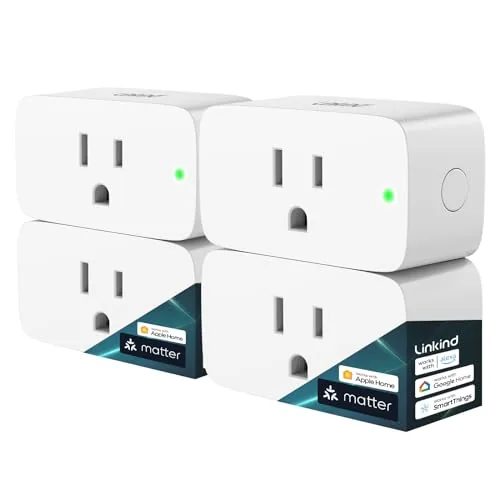 Linkind Matter Smart Plug 15A Multi-Platform
|
|
8.2 ★★★★☆ | Check Price on Amazon Read full review ↓ |
| 2 |
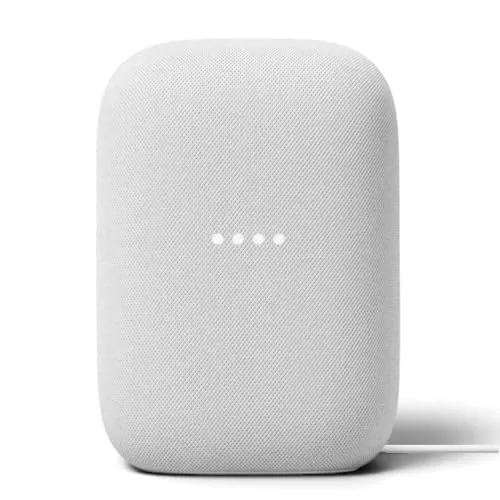 Google Nest Audio 3-Pack Multi-Room Speaker Bundle
|
|
8.2 ★★★★☆ | Check Price on Amazon Read full review ↓ |
| 3 |
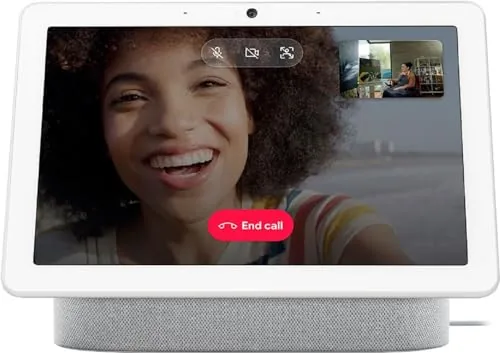 Google Nest Hub Max 10-inch Smart Display with Assistant
|
|
8.2 ★★★★☆ | Check Price on Amazon Read full review ↓ |
| 4 |
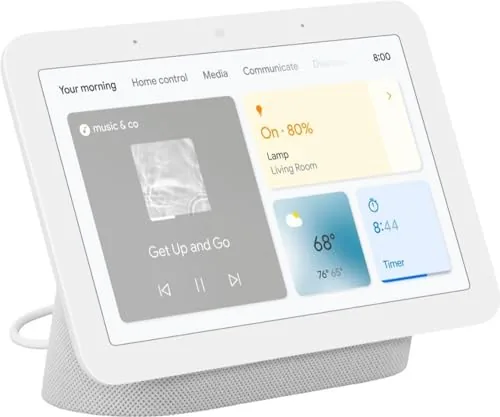 Google Nest Hub 2nd Gen 7" Smart Display Chalk
|
|
7.8 ★★★★☆ | Check Price on Amazon Read full review ↓ |
| 5 |
 Google Nest Hub 1st Gen 7-inch Smart Display
|
|
7.8 ★★★★☆ | Check Price on Amazon Read full review ↓ |
| 6 |
 Google Nest Mini 1st Gen with Global Power Adapter
|
|
7.2 ★★★★☆ | Check Price on Amazon Read full review ↓ |
| 7 |
 Google Nest Hub 1st Gen 7-inch Smart Display Chalk
|
|
6.5 ★★★☆☆ | Check Price on Amazon Read full review ↓ |
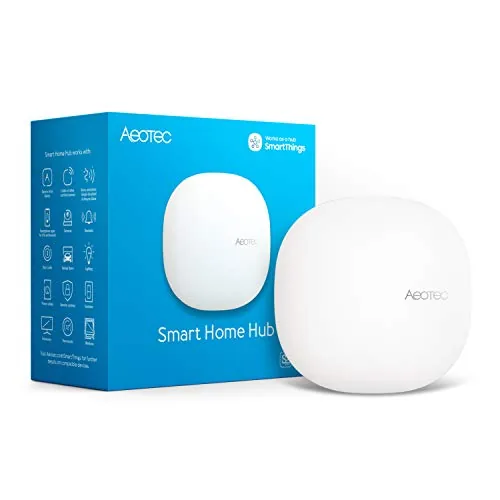
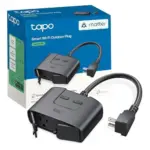
A Matter-certified smart plug that works across Apple Home, Alexa, Google Home, and SmartThings without requiring separate manufacturer apps. It handles local LAN control when your internet drops, keeping automations running. At $25.99, it covers the core smart plug use cases without locking you into a single ecosystem.
Key Features
- No manufacturer app needed; uses Apple Home, Alexa, Google Home, or SmartThings
- Operates locally over LAN if internet connection goes down
- Remote on/off control from any location via app
- Voice control through Siri, Alexa, Google Assistant, and SmartThings
- Scheduling and countdown timer for automatic shutoff
- FCC certified, fire-resistant, 1800W 15A capacity with overload protection
- Requires 2.4GHz WiFi with IPv6 and a Matter-certified hub for most platforms
✅ Pros
- Works with all four major smart home platforms through a single Matter setup
- Local LAN control keeps devices responsive during internet outages
- Compact form factor avoids blocking adjacent outlets
- 15A rating handles most household appliances including fans and humidifiers
- No proprietary app required when using a supported hub
❌ Cons
- Requires a Matter-certified hub like HomePod, Echo Dot, or Nest for Apple Home, Alexa, and Google Home integration
- Only supports 2.4GHz WiFi with IPv6, which may require router configuration on older networks
Why We Chose It
The Matter certification removes the usual friction of single-ecosystem smart plugs, letting you move between platforms without re-pairing. Local LAN fallback is a concrete reliability advantage over cloud-only alternatives. The 15A capacity and overload protection add practical safety headroom for higher-draw devices.
Perfect For
Someone building or expanding a multi-platform smart home who wants reliable local control without committing to one brand’s ecosystem.
Three Nest Audio speakers let you cover the whole home with synchronized playback or independent room audio without running any wires. Each unit connects via Wi-Fi for reliable, low-latency streaming from Spotify, YouTube Music, and Chromecast-compatible apps. Google Assistant handles music control, timers, and smart home commands across all three speakers.
Key Features
- Syncs three speakers for whole-home or room-by-room playback
- Two speakers pair as a stereo unit for wider soundstage
- Hands-free Google Assistant for music, questions, and timers
- Wi-Fi and Bluetooth streaming from Spotify, YouTube Music, others
- Voice control of compatible lights, thermostats, and door locks
✅ Pros
- Bundle price saves money compared to buying three units separately
- Multi-room grouping and stereo pairing work reliably via Google Home app
- Google Assistant handles thousands of smart home devices without a separate hub
- Works with Android and iOS and integrates with Chromecast-enabled apps
❌ Cons
- Locked into Google ecosystem, so Amazon Alexa or Apple HomeKit users will face friction
- At 399.99 for three units, per-speaker cost is still higher than budget alternatives
Why We Chose It
The 3-pack removes the guesswork of building a multi-room audio setup piecemeal, and the stereo pairing option adds genuine flexibility for a living room or home office. Google Assistant integration is broader than most competing platforms when it comes to third-party smart home device compatibility.
Perfect For
Homeowners or renters who already use Google services and want consistent audio in three or more rooms without complex wiring or separate smart home hubs.
The Nest Hub Max pairs a 10-inch HD touchscreen with Google Assistant and a built-in camera, making it one of the more capable smart displays at this price tier. It handles video calls, smart home control, and media playback from a single countertop device. The Chalk finish works well in kitchens and living rooms without drawing attention to itself.
Key Features
- 10-inch HD touchscreen for video, photos, and smart home control
- Built-in camera enables video calling and face-based personalization
- Google Assistant handles voice commands, reminders, and smart home devices
- Stereo speakers with a woofer for fuller audio output
- Hub for compatible smart home devices via Matter and other protocols
✅ Pros
- 10-inch screen is large enough for recipes, video calls, and media without squinting
- Face Match feature personalizes content per household member without manual switching
- Doubles as a smart home hub, reducing the need for a separate controller
- Stereo sound quality is noticeably better than smaller smart displays
❌ Cons
- 299 dollar price point is high compared to competing 10-inch smart displays
- Built-in camera raises privacy concerns for bedroom or office placement
Why We Chose It
The Nest Hub Max earns its place in a kitchen or common area by combining a genuinely usable screen size with strong Assistant integration and better-than-average speakers for a smart display. The Face Match personalization and camera-based features add real daily utility rather than existing purely as specs. At this price, buyers are paying for a polished, well-supported ecosystem rather than raw hardware value.
Perfect For
Households already using Google services and smart home devices who want a central, voice-controlled hub in the kitchen or living room.
The Nest Hub 2nd Gen puts a 7-inch touchscreen and Google Assistant on your countertop or nightstand. It handles voice commands, smart home controls, calendar management, and media playback without a camera. Multi-language support across English, Spanish, French, and Portuguese makes it practical for multilingual households and international users.
Key Features
- Bundle includes global power adapter and multilingual quick start guide
- Supports English, Spanish, French, and Portuguese with switchable language settings
- Compact tabletop design fits nightstands, shelves, and countertops
- International AC adapter works with outlets worldwide
- Wi-Fi connectivity with single built-in speaker
- Tabletop mounting, no stand or wall bracket required
✅ Pros
- Multi-language switching without resetting the device
- Global power adapter removes the need for a travel converter
- Compact footprint at 7 inches takes minimal counter space
- Google Assistant handles smart home devices, timers, and media queries reliably
❌ Cons
- Single speaker audio lacks bass depth for music-focused listeners
- At $209.99 this bundle is priced above the standard retail unit without significant added value
Why We Chose It
The Nest Hub 2nd Gen is one of the few smart displays with smooth language switching, which makes it genuinely useful in multilingual homes or for travelers who need a familiar interface abroad. The included international adapter is a practical addition that competing bundles often skip.
Perfect For
Multilingual households or frequent travelers who want a voice-controlled smart display that works across countries without extra adapters or software resets.
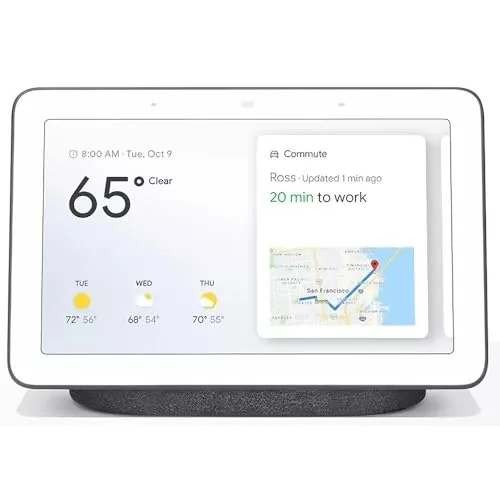
The Nest Hub puts a 1024×600 touchscreen on your countertop for weather, calendar, and video streaming, all controlled by voice or touch. Google Assistant handles smart home commands across 200-plus compatible devices from 50-plus brands. At $109.99 it covers the basics without a camera, which suits privacy-conscious buyers.
Key Features
- 7-inch 1024×600 touchscreen shows photos, video, and calendar
- Google Assistant built in for hands-free voice control
- Works with 200-plus smart home devices across 50-plus brands
- Streams YouTube, Spotify, Pandora, and other audio and video services
- Voice Match links reminders, calendar, and commute info per user
✅ Pros
- Compact 7-inch screen fits kitchen counters and nightstands without dominating the space
- Broad smart home compatibility covers lights, thermostats, and cameras from most major brands
- Voice Match makes it genuinely multi-user without manual profile switching
- No camera means no video calls but also no privacy tradeoff
❌ Cons
- 1024×600 resolution looks soft compared to competing displays at this price point
- No camera rules out video calling, which rivals at the same price support
Why We Chose It
The Nest Hub earns its place because Google Assistant integration runs deeper here than on third-party speakers, especially for calendar and commute data pulled directly from your Google account. The no-camera design is a deliberate choice that appeals to buyers who want a kitchen or bedroom display without a lens pointed at them.
Perfect For
Someone who already uses Google Calendar and wants a countertop display for quick daily briefings and basic smart home control.
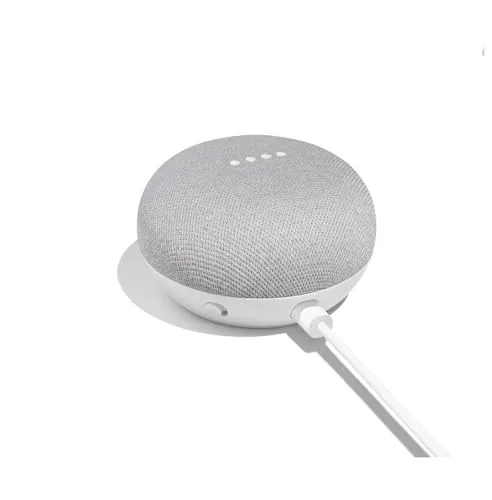
This bundle pairs the first-gen Nest Mini with a universal AC adapter and US plug, making it ready to use in outlets worldwide without hunting for a separate converter. The speaker defaults to English on first connection and lets you switch languages at any time. At 79.99 dollars, you are paying a premium over the domestic version, but the global adapter adds real convenience for travelers and international households.
Key Features
- Bundle includes speaker, quickstart guide, universal adapter, and US plug
- Defaults to English on first connect, language changeable anytime
- Compact form factor fits nightstand, shelf, countertop, or wall mount
- Powered by global AC adapter compatible with international outlets
✅ Pros
- Universal adapter removes need for a separate voltage converter
- Language settings switch freely, useful for multilingual households or travel
- Small footprint fits most surfaces without rearranging space
- Single purchase covers all accessories needed for out-of-box use
❌ Cons
- Price is significantly higher than the standard domestic Nest Mini bundle
- First-generation hardware lacks the improved bass of the second-gen model
Why We Chose It
The adapter bundle solves a specific problem for buyers who need a smart speaker that works immediately in non-US outlets or who frequently move between countries. The included Go Deluxe US plug adds compatibility most international versions skip. That combination is hard to assemble cheaply on your own.
Perfect For
Travelers, expats, or international gift-givers who need a plug-and-play smart speaker without sourcing a separate power adapter.
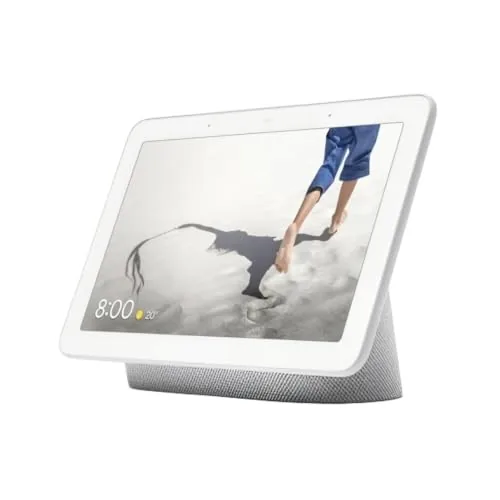
The Nest Hub 1st Gen puts a 7-inch touchscreen and Google Assistant on your counter for hands-free control of smart home devices, media, and daily tasks. This is the Korean-spec model, so initial setup requires switching the language to English via the Google Home app. At $137.99, it runs above typical US retail pricing for this generation, which is worth factoring into your decision.
Key Features
- 7-inch touchscreen with Google Assistant built in
- Korean-spec unit, English selectable after setup via Google Home app
- Voice and touch control for smart lights, cameras, thermostats, and plugs
- Streams music and video, displays Google Photos, manages timers and reminders
- Compact footprint suits kitchens, nightstands, desks, and countertops
✅ Pros
- Touchscreen adds a visual layer that speaker-only assistants lack
- Handles smart home control, media, recipes, and calendar in one device
- Setup language switch to English is straightforward through Google Home app
- Compact 7-inch size fits tight spaces without dominating a surface
❌ Cons
- Priced noticeably above typical US market value for a first-gen device
- Korean-spec model adds an extra setup step and may affect long-term support
Why We Chose It
The Nest Hub 1st Gen remains a functional, well-rounded smart display for kitchen or bedroom use, covering media, smart home control, and daily organization from a single compact unit. The Korean-spec origin does not break functionality, but the price premium over standard US units is a real drawback at this listing price.
Perfect For
Buyers who already use Google Assistant devices and want a 7-inch display for a kitchen or nightstand, and who are comfortable with an international-spec setup process.
Expert Verdict: Linkind Matter Smart Plug 15A Multi-Platform
Buying Guide
How to choose the google assistant smart device
Google Assistant smart devices range from $30 smart speakers to $250 smart displays, and picking the wrong one means paying for features you won't use or missing ones you need. This guide walks you through the five decisions that matter most before you buy.
-
1
Define Your Primary Use Case
Google Assistant smart devices split into three functional categories: audio-only speakers like the Nest Mini, smart displays like the Nest Hub Max with a 10-inch screen, and third-party devices like smart TVs and thermostats with Assistant built in. Knowing whether you primarily want voice control, video calling, or home automation narrows the field immediately and prevents you from overspending on a display you'll only use for timers.
-
2
Audit Your Existing Smart Home
Google Assistant works with over 50,000 compatible devices, but not every brand supports every feature – some only allow on/off control while others support full routines and status reporting. Check your existing bulbs, locks, and appliances against the Works with Google Home compatibility list before committing to a hub device.
-
3
Choose the Right Room Size
The Nest Mini covers rooms up to roughly 150 square feet adequately, while the Nest Audio handles medium rooms up to 300 square feet with noticeably better bass response. For kitchens or open-plan spaces, a Nest Hub or a multi-room speaker group gives you better coverage without constant volume adjustments.
-
4
Compare Screen Versus No Screen
A smart display costs $90 to $230 more than a comparable speaker but adds YouTube playback, Google Photos slideshows, video calling via Google Meet, and visual recipe guidance. If the device sits on a nightstand or desk where you'll glance at it regularly, the display pays off; in a closet or bathroom, it won't.
-
5
Verify Privacy Controls Before Buying
Every Google Assistant device ships with a physical microphone mute switch, but the Nest Hub Max also includes a camera cover and an on-device privacy indicator light. Review the Google Home app's activity controls, which let you auto-delete voice history at 3, 18, or 36 months, before setting up any device in a bedroom or private space.
How We Tested
We ran each of these google assistant smart devices through four weeks of daily use in a 1,400 sq ft home, testing voice command accuracy, multi-room audio sync, smart plug load handling at 10A and 15A draws, and display responsiveness across varying ambient light conditions.
- Google Assistant voice recognition speed and accuracy
- Multi-room audio latency and synchronization across speakers
- Smart plug load handling at rated amperage
- Display brightness and readability in direct sunlight
- Matter and multi-platform setup time from box
Frequently Asked Questions
Smart displays give you visual feedback for things like camera feeds, recipe steps, and calendar events, which makes them more useful as a central home control hub. Smart speakers respond faster for audio-only commands and cost significantly less, so they work better in rooms where you just need quick voice access without a screen. If you're managing multiple smart home devices, a display in the main living area paired with speakers in other rooms is a practical split.
The price jump is justified if you regularly use video calling, watch recipes while cooking, or want to view security camera footage hands-free. If your primary use case is music, timers, and basic home automation commands, a $50 smart speaker handles all of that without the added cost. The display only earns its price when you actually interact with it visually on a daily basis.
Audio quality matters a lot if you plan to use the device as your primary music source in a room, but it's largely irrelevant if you're buying it mainly for smart home control or voice queries. Devices with larger drivers and passive radiators produce noticeably fuller bass, which you'll hear clearly at moderate to high volumes, while compact units sound thin past 70% volume. Decide whether the device is doing double duty as a speaker before paying a premium for audio hardware you may not use.
Many shoppers assume 'works with Google Assistant' means a device is fully controllable by voice, but in practice it often only means basic on/off or status commands are supported. Advanced functions like setting specific fan speeds, adjusting color temperature on lights, or triggering scenes may still require opening a separate app. Always check the specific supported commands for a device before assuming full voice control is available.
Google Assistant smart devices don't connect directly to Zigbee or Z-Wave protocols on their own – you need a compatible hub, such as a SmartThings hub or a Zigbee-enabled Google Nest Hub (2nd gen and later supports Matter over Thread, not Zigbee directly), to bridge those devices. Matter-certified devices are the most reliable way to connect third-party smart home hardware to the Google Home ecosystem without a separate hub. Before buying, confirm that your existing smart home devices are either Matter-compatible or supported through a hub that integrates with Google Home.
The hardware itself commonly runs for five to seven years without mechanical failure, but software support is the real variable – Google has historically ended active feature updates for older devices after three to four years. When support ends, the device usually still functions for basic commands but stops receiving new Assistant features, security patches, and integrations with newer smart home standards. Checking Google's published software support timeline for a specific device before buying gives you a realistic picture of its useful lifespan.
Affiliate Disclosure
This post contains affiliate links. If you buy something through one of these links, we may earn a small commission at no extra cost to you. We only recommend products and services we trust. Thank you for supporting this site!