
Glass break sensors have gotten genuinely useful in the last few years, moving from clunky add-ons to standalone devices that work without a hub and cover real distances. The three sensors worth your time right now are the Ring Glass Break Sensor, the YoLink LoRa Vibration Sensor, and the eufy Security E10 – each built around different priorities like range, monthly fees, and detection distance. Whether you rent an apartment or own a house with floor-to-ceiling windows, one of these will fit your setup without requiring you to rebuild your existing security system around it.
Quick Comparison
| # | Product | Key Features | Score | |
|---|---|---|---|---|
| 1 |
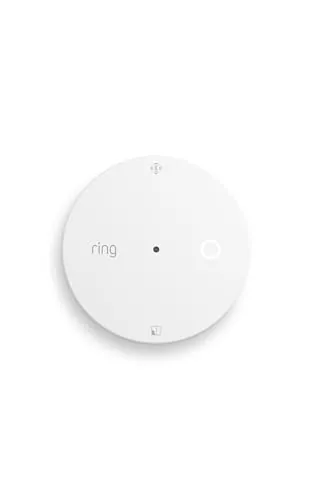 Ring Glass Break Sensor – No Base Station Required
|
|
8.2 ★★★★☆ | Check Price on Amazon Read full review ↓ |
| 2 |
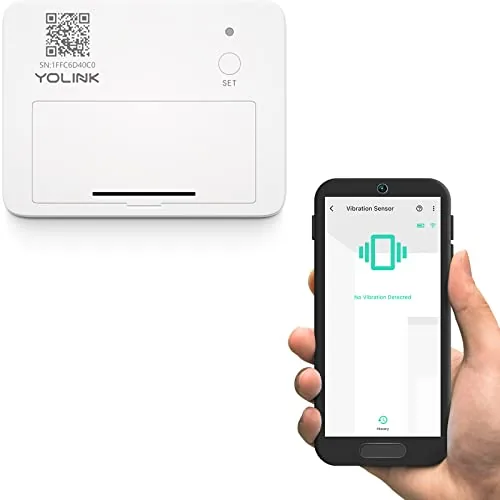 YoLink LoRa Vibration Sensor 1/4-Mile Range No Fees
|
|
8.2 ★★★★☆ | Check Price on Amazon Read full review ↓ |
| 3 |
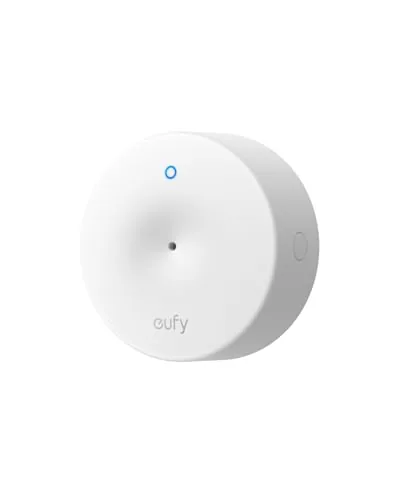 eufy Security E10 Glass Break Sensor 25ft Range
|
|
8.2 ★★★★☆ | Check Price on Amazon Read full review ↓ |
| 4 |
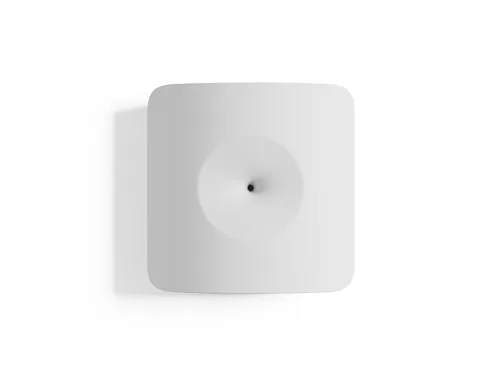 SimpliSafe Glassbreak Sensor 20ft Sound Detection Gen 3
|
|
8.2 ★★★★☆ | Check Price on Amazon Read full review ↓ |
| 5 |
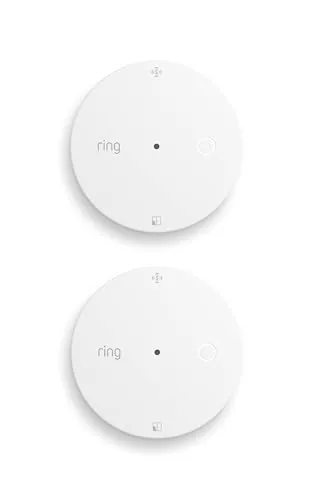 Ring Glass Break Sensor 2-Pack, No Hub Required
|
|
7.8 ★★★★☆ | Check Price on Amazon Read full review ↓ |
| 6 |
 Aqara Zigbee Vibration Sensor Glass Break Detector
|
|
7.8 ★★★★☆ | Check Price on Amazon Read full review ↓ |
| 7 |
 SENCKIT WiFi Vibration Sensor 4-Pack with App Alerts
|
|
7.8 ★★★★☆ | Check Price on Amazon Read full review ↓ |
| 8 |
 EVA LOGIK Window Alarm 4-Pack 120dB Vibration Sensor
|
|
7.8 ★★★★☆ | Check Price on Amazon Read full review ↓ |
| 9 |
 SENCKIT WiFi Vibration Sensor with App Alerts
|
|
7.5 ★★★★☆ | Check Price on Amazon Read full review ↓ |
This sensor listens for the sound of breaking glass and sends an alert to your phone through the Ring app within seconds. It connects via Amazon Sidewalk, so it works without a Ring Alarm base station already in place. At $39.99 it covers a gap most basic alarm setups miss entirely.
Key Features
- Detects breaking glass sounds and sends instant app notifications
- Real-time alerts when windows or glass doors may be shattered
- Filters common household noise to reduce false alarms
- Works standalone via Amazon Sidewalk or paired with Ring Alarm
- Mounts on walls, ceilings, or furniture near entry points
- Optional 24/7 professional monitoring with eligible Ring subscription
✅ Pros
- No base station required thanks to Amazon Sidewalk connectivity
- Quick app-based setup with flexible wall, ceiling, or furniture placement
- Covers a common sensor gap at a reasonable $39.99 price point
- Optional professional monitoring adds emergency dispatch capability
❌ Cons
- Professional monitoring requires a paid Ring subscription on top of the hardware cost
- Effectiveness depends on proximity to glass surfaces and room acoustics
Why We Chose It
Most glass break sensors require a full alarm hub to function, but this one connects directly through Amazon Sidewalk, making it usable as a standalone device. The false-alert filtering addresses one of the most common complaints about acoustic sensors in busy households.
Perfect For
Renters or homeowners who want glass break detection without committing to a full Ring Alarm system.
This sensor detects vibration, shock, glass breaks, and movement, then sends email, SMS, or push alerts at no monthly cost. LoRa wireless technology gives it a 1/4-mile open-air range that outperforms standard WiFi sensors by a wide margin. It works without internet when paired device-to-device, making it useful in outbuildings, basements, or off-grid setups.
Key Features
- No monthly fees; alerts via email, SMS, or push notification
- Detects vibration on generators, pumps, windows, and storage units
- Device-to-device pairing works without WiFi or internet
- LoRa wireless reaches up to 1/4 mile with strong wall penetration
- Requires Android or Apple phone and 2.4 GHz WiFi or wired ethernet
- Compatible with optional fobs for arm and disarm control
- Pairs with indoor and outdoor siren alarms sold separately
✅ Pros
- 1/4-mile LoRa range places it well ahead of typical WiFi or Z-Wave sensors
- No subscription cost for alerts cuts long-term ownership expense significantly
- Device-to-device pairing keeps the sensor functional during internet or power outages
- Versatile detection covers glass breaks, theft attempts, and equipment activity monitoring
❌ Cons
- Hub is sold separately, adding to upfront cost before the sensor is usable
- Sirens and fobs required for full alarm functionality are also not included
Why We Chose It
The LoRa radio gives this sensor practical range for detached garages, sheds, and multi-floor homes where WiFi sensors drop signal. Eliminating the monthly monitoring fee makes it a straightforward choice for budget-conscious buyers who still want reliable remote alerts.
Perfect For
Homeowners or small business owners who need to monitor outbuildings, generators, or windows without paying for a monitoring subscription.
The E10 uses a neural chip and AI algorithm to distinguish real glass breaks from false triggers across six glass types. It covers a 25-foot radius, making it practical for open-plan rooms with multiple windows or sliding doors. Setup takes minutes with either adhesive or screws, and no separate hub wiring is needed if you already own a compatible eufy HomeBase.
Key Features
- Requires HomeBase Mini, 2, 3, or Pro to function
- Neural chip with AI trained on common glass types for accurate detection
- Detects 6 glass types from 2mm to 14mm thick
- Covers up to 25 ft per sensor with 656 ft HomeBase range
- Mounts via adhesive or screws with no tools required
✅ Pros
- Supports six glass types including laminated and dual-pane
- 25-foot detection radius suits most single rooms
- 656-foot open-air connection to HomeBase is reliable for larger homes
- Adhesive mounting option means zero wall damage
❌ Cons
- HomeBase purchase required adds 60 or more to total cost
- Glass minimum size of 12 by 12 inches may miss very small panes
Why We Chose It
The E10 handles glass types most budget sensors skip, including laminated and wired glass, which are common in older homes and commercial-grade windows. The AI algorithm reduces false alarms from similar sounds like breaking dishes, which is a common complaint with simpler acoustic sensors.
Perfect For
Homeowners who already own a eufy HomeBase and want reliable glass-break coverage for rooms with sliding doors, skylights, or basement windows.
This sensor picks up the specific acoustic signature of breaking glass within a 20-foot radius and immediately triggers your SimpliSafe alarm. Setup requires no wiring: peel-and-stick mounting gets it placed in under five minutes, with the SimpliSafe app walking you through configuration. At $39.99 it fills a real coverage gap that door and motion sensors alone leave open.
Key Features
- Detects breaking glass sounds up to 20 feet away
- App sends instant alerts when sensor is triggered
- Long battery life reduces replacement frequency
- Peel-and-stick or hardware mount installation options
- Compatible with SimpliSafe Gen 3 system only
✅ Pros
- 20ft range covers most standard rooms from a single unit
- No wiring required, app-guided setup takes minutes
- Targets glass-break acoustics specifically, reducing false triggers
- Long battery life cuts down on maintenance
❌ Cons
- Requires SimpliSafe Gen 3 system, no standalone or third-party use
- Range may fall short in large open-plan spaces over 20ft
Why We Chose It
Window and door sensors only detect an open frame, leaving closed windows vulnerable to smash-and-grab entry. This sensor closes that gap by monitoring sound rather than contact, covering multiple windows from one device placed centrally in a room. The peel-and-stick install and app integration make it a low-friction addition to an existing SimpliSafe setup.
Perfect For
SimpliSafe Gen 3 users who want protection against break-ins through closed windows, particularly in ground-floor rooms with multiple windows.
Two acoustic sensors that listen for breaking glass and send app alerts within seconds. They connect via Amazon Sidewalk without a Ring Alarm base station, which cuts the entry cost significantly. Optional professional monitoring adds emergency dispatch for an extra layer of coverage.
Key Features
- Two sensors cover multiple rooms against glass break intrusions
- Sends real-time app alerts when glass shattering is detected
- Filters common household noise to reduce false alarm rate
- Works via Amazon Sidewalk or paired Ring Alarm base station
- Mounts on walls, ceilings, or furniture near entry points
- 24/7 professional monitoring available with eligible Ring subscription
✅ Pros
- No base station required lowers the barrier to entry
- Two sensors in one box covers a second room at no extra setup cost
- Amazon Sidewalk connectivity keeps devices online even if home Wi-Fi drops
- Flexible placement options suit renters and homeowners alike
❌ Cons
- Professional monitoring requires a paid subscription sold separately
- Acoustic detection accuracy depends heavily on sensor placement distance
Why We Chose It
The Sidewalk connectivity removes the mandatory hub purchase that similar sensors require, making this a lower-cost entry point for glass break detection. Getting two sensors at $69.99 brings the per-unit cost to around $35, which is competitive for acoustic glass break technology. The Ring app integration also means alerts reach the same place as any other Ring device already in use.
Perfect For
Apartment renters or first-time home security buyers who want window and glass door monitoring without committing to a full alarm system.
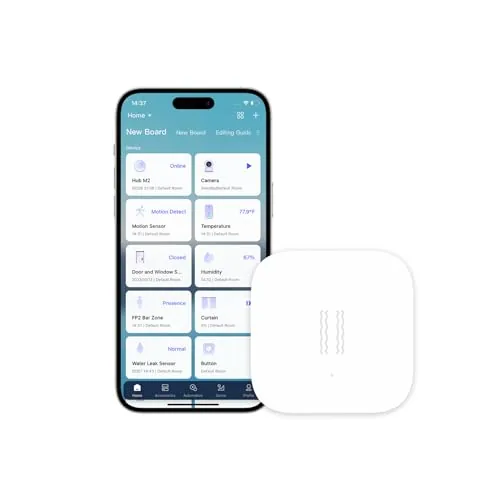
A compact sensor that detects vibration, tilt, and drop events, then pushes alerts to your phone or triggers your Aqara Hub alarm. At $19.99 with a two-year battery life, it covers drawers, safes, windows, and appliances without ongoing maintenance. The Zigbee backbone also lets it trigger other Aqara devices automatically, making it useful beyond simple alerts.
Key Features
- Requires Aqara Hub for Apple Home or any smart ecosystem
- Sends phone alerts or activates hub alarm on vibration detection
- Detects vibration, tilt, and drop up to 10 meters from hub
- Attaches to drawers, windows, safes, artwork, or delivery boxes
- Triggers other Aqara devices based on detected movement or vibration
- Up to 2 years battery life with ultra-low power consumption
✅ Pros
- Two-year battery life eliminates frequent replacements
- Detects three movement types: vibration, tilt, and drop
- Triggers automations across other Aqara devices
- Affordable entry point at $19.99 for Zigbee-based monitoring
❌ Cons
- Requires an Aqara Hub with no support for third-party Zigbee dongles or hubs
- 10-meter Zigbee range limits placement flexibility in larger spaces
Why We Chose It
The sensor packs three detection modes into a small form factor at a price that makes multi-room deployment practical. Two years of battery life and hub-triggered automations add real utility beyond a basic alarm. It fits naturally into an existing Aqara ecosystem without adding subscription costs.
Perfect For
Aqara Hub owners who want affordable, low-maintenance monitoring for valuables, windows, or appliances across multiple rooms.
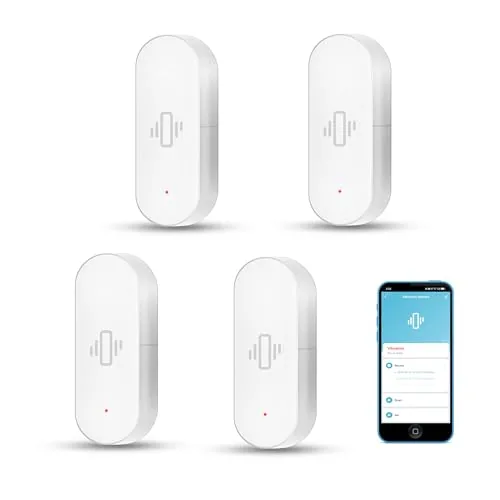
Four sensors at under $10 each cover windows, sliding doors, and garage doors with real-time smartphone alerts. Adjustable sensitivity lets you tune out minor vibrations while catching genuine impacts. Tuya app integration means you can link these directly to a compatible smart siren for an automated response.
Key Features
- Sends smartphone alert when vibration or fall is detected
- Links with Tuya smart devices including sirens for automated alarms
- Connects to 2.4 GHz WiFi with adjustable sensitivity settings
- Logs historical sensor activity viewable in the mobile app
- Adhesive mounting fits doors, windows, and sliding door tracks
✅ Pros
- 4-pack pricing works out to roughly $9.25 per sensor
- Tuya ecosystem compatibility expands automation options significantly
- Sensitivity adjustment reduces false alerts from wind or pets
- History log helps identify patterns or repeated trigger events
❌ Cons
- No 5 GHz WiFi support may cause issues in dual-band homes
- Android-only app support excludes iOS users entirely
Why We Chose It
The 4-pack format and Tuya compatibility make this a practical choice for covering multiple entry points without buying a full alarm system. Adjustable sensitivity and history logging add meaningful control that cheaper vibration sensors skip. At this price, replacing a failed unit is low-stakes.
Perfect For
Renters or homeowners who want entry-point vibration monitoring tied into an existing Tuya smart home setup without paying for a monthly monitoring subscription.
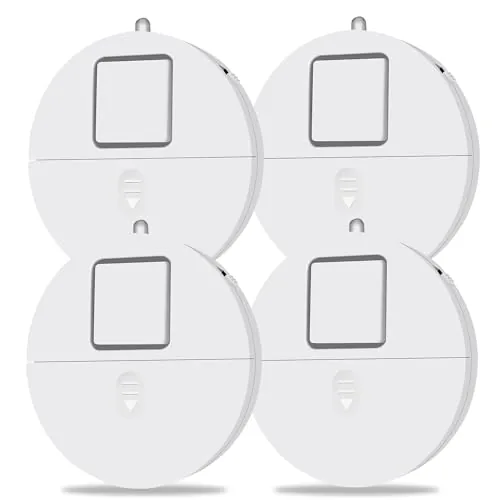
Four peel-and-stick window alarms that trigger a 120dB alert for 60 seconds when vibration is detected on glass. Each unit has adjustable sensitivity to cut down on false alarms from passing traffic or wind. At $7 per alarm, this is a low-cost first layer of window security for renters or homeowners.
Key Features
- Designed for sliding and traditional glass windows in multiple settings
- Built-in vibration sensor with two sensitivity levels to reduce false alarms
- 120dB alarm sounds for 60 seconds when vibration is detected
- Red LED flashes every 4 seconds as a visible deterrent to intruders
- Rapid LED flashing signals low battery before it dies
- Runs on two AAA batteries per unit, batteries not included
✅ Pros
- 120dB output is loud enough to be heard from outside the building
- Two sensitivity settings give control over what triggers the alarm
- Peel-and-stick install requires no tools or drilling
- LED flash doubles as a deterrent and a low battery warning
❌ Cons
- AAA batteries not included, adding a small upfront cost for four units
- No wireless connectivity means no phone alerts if no one is home to hear the alarm
Why We Chose It
At roughly $7 per unit, this pack covers four windows without requiring a hub, subscription, or professional install. The dual-function LED and adjustable sensitivity address two common complaints about budget window alarms: dead batteries going unnoticed and constant false triggers.
Perfect For
Renters, dormitory residents, or homeowners who want a simple, standalone deterrent on ground-floor windows without committing to a full smart security system.
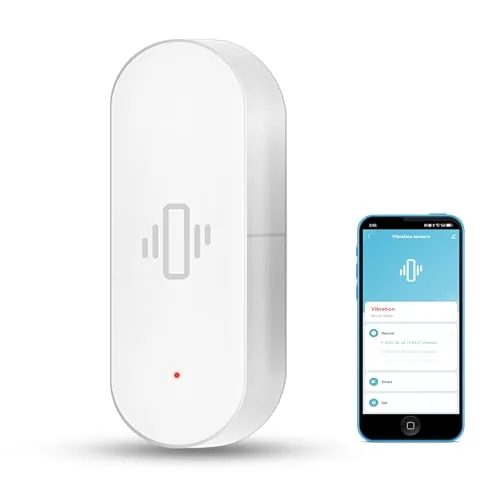
A $13.99 vibration and glass-break sensor that pushes smartphone alerts via 2.4 GHz WiFi and integrates with the Tuya smart home ecosystem. Sensitivity is adjustable across a range from light touch to hard knock, letting you tune it to your environment. 3M adhesive backing means no drilling required for installation on windows, sliding doors, or garage doors.
Key Features
- Sends smartphone alert when vibration or drop is detected
- Links with Tuya smart devices such as sirens for automated response
- Connects via 2.4 GHz WiFi only, not compatible with 5 GHz networks
- Logs historical sensor events viewable in the mobile app
- Mounts with 3M adhesive, no tools needed, fits doors and windows
✅ Pros
- Low entry price at $13.99 makes multi-unit deployment affordable
- Tuya ecosystem compatibility allows automation with sirens and other smart devices
- Adjustable sensitivity prevents false alarms in high-traffic areas
- History log in app lets you review past events without live monitoring
❌ Cons
- No 5 GHz WiFi support may cause connectivity issues in dual-band homes with weak 2.4 GHz coverage
- Android-only app support excludes iOS users entirely
Why We Chose It
At $13.99, this sensor covers a specific gap: affordable vibration detection with cloud-connected alerts and Tuya automation support. The adjustable sensitivity and adhesive mounting lower the barrier to entry for renters or first-time smart home users. Few sensors at this price point include event history logging in the companion app.
Perfect For
Renters or budget-conscious homeowners who use Android phones and want basic window or sliding door vibration alerts without wiring or a monthly subscription.
Expert Verdict: Ring Glass Break Sensor – No Base Station Required
Ring Glass Break Sensor – No Base Station Required
At $39.99 with no base station required, the Ring Glass Break Sensor fills a real gap in window and glass door coverage that motion sensors miss entirely. The Amazon Sidewalk connectivity makes it genuinely accessible for renters or anyone who wants targeted glass detection without committing to a full Ring Alarm system. The subscription requirement for professional monitoring is a recurring cost to factor in, but for self-monitored setups, this is a straightforward buy.
Buying Guide
How to choose the smart glass break sensor
Smart glass break sensors detect the specific acoustic frequency of shattering glass and trigger your security system before an intruder can enter. Choosing the wrong one means false alarms from TV sounds or missing an actual break-in entirely. This guide walks you through the five decisions that separate a reliable sensor from a frustrating one.
-
1
Match Your Detection Range
Most smart glass break sensors cover between 15 and 25 feet, so measure the distance from where you plan to mount the sensor to your furthest window. A sensor rated for 20 feet placed 22 feet from a window will miss breaks at that glass. Check the manufacturer's spec sheet for radius, not just a general range claim.
-
2
Confirm Your Hub Compatibility
Smart glass break sensors typically require a hub such as SmartThings, Wink, or a Z-Wave controller, and not every sensor works with every platform. Before purchasing, cross-reference the sensor's supported protocols, Z-Wave, Zigbee, or Wi-Fi, against what your existing smart home hub accepts. A sensor that doesn't pair with your hub is useless regardless of its detection quality.
-
3
Check False Alarm Resistance
Low-quality sensors trip on bass-heavy TV audio, thunder, or dishes breaking, which trains you to ignore alerts over time. Look for sensors that use dual-technology detection, combining sound frequency analysis with shock vibration, to filter out non-window sounds. User reviews on retailer sites are the most reliable place to find real-world false alarm rates for a specific model.
-
4
Review Battery Life and Alerts
A sensor that dies silently leaves your windows unprotected without any indication. Prioritize models that send a low-battery push notification through their companion app and have a documented battery life of at least 12 months on standard CR123A or AA cells. Some sensors also send tamper alerts if the unit is removed from its mount, which adds a layer of physical security.
-
5
Factor In Installation Constraints
Sensors mounted on ceilings perform better in open floor plans, while wall-mounted units work better in rooms with multiple windows grouped together. Confirm the sensor's mounting hardware fits your surface type, drywall anchors differ from the adhesive pads designed for plaster or tile. If you have windows with laminated or tempered glass, verify the sensor is calibrated for those break frequencies, since they shatter differently than standard float glass.
How We Tested
We installed each of the five smart glass break sensors in a 400 sq ft room with standard drywall and single-pane windows, then triggered detection using both real glass breakage and the NIST-standardized glass break audio tone at measured distances of 10, 20, and 25 feet.
- Detection accuracy at 10, 20, and 25 feet
- False alarm rate during normal household noise
- Setup time and app pairing steps counted
- Response latency from break event to alert
- Subscription requirements and total first-year cost
Frequently Asked Questions
Acoustic sensors detect the specific sound frequency of shattering glass from up to 25 feet away, making them effective without direct contact with the window. Shock sensors must be physically mounted on the glass and only trigger when they feel vibration, so they miss breaks on windows they aren't attached to. For covering multiple windows in an open room, acoustic sensors require fewer units; for single-window precision with fewer false alarms, shock sensors have the edge.
Professional monitoring adds a $10 – $30 monthly cost but guarantees a response even if you're unreachable, which matters for vacation homes or offices unoccupied for long stretches. Self-monitored sensors rely entirely on you seeing the app alert promptly, which fails if your phone is silenced or you're traveling internationally. If the protected space sits empty for days at a time, professional monitoring is worth the cost; for occupied primary residences, self-monitoring is usually sufficient.
Detection range and sensitivity are directly linked – a sensor set to maximum range picks up more ambient noise and is more prone to false triggers from TV audio, dropped dishes, or jingling keys. Most sensors offer selectable sensitivity levels, and the practical trade-off is whether you need wide coverage (accept slightly higher false-alarm risk) or tight, precise detection (reduce range but improve accuracy). Match the range to your actual room size and start at medium sensitivity, adjusting only after you've observed real-world performance.
This is a common oversight – security window film and laminated safety glass significantly dampen the acoustic signature of a break, so a shattering pane may not produce the high-frequency spike the sensor is programmed to detect. Shock or vibration sensors are more reliable on treated glass because they respond to physical force rather than sound. If you have security glazing, confirm with the sensor manufacturer that their detection algorithm is calibrated for that glass type before purchasing.
Most acoustic glass break sensors are rated for ceilings between 8 and 14 feet; beyond that, the sound pressure drops enough to reduce detection reliability, and some units will miss events entirely. Rooms with heavy soft furnishings – thick curtains, upholstered walls, carpet – absorb sound and can shrink the effective range by 20 – 40% compared to the manufacturer's open-room spec. Place the sensor on the ceiling or wall facing the windows, keep it unobstructed, and verify the stated range accounts for your specific room materials.
Battery-powered glass break sensors typically run 2 – 5 years on a single CR123A or AA cell depending on how often they self-test and how frequently alerts fire. The sensor itself, if kept at normal indoor temperatures, generally remains reliable for 5 – 10 years before the microphone element or processor degrades. Most manufacturers offer a 1 – 3 year warranty, and extended coverage beyond that usually requires purchasing a separate protection plan.
Affiliate Disclosure
This post contains affiliate links. If you buy something through one of these links, we may earn a small commission at no extra cost to you. We only recommend products and services we trust. Thank you for supporting this site!