
Smart home gateways are the devices that actually make your connected home work – they translate signals between your lights, locks, sensors, and apps so everything talks to the same system. Picking the wrong one means locked-in ecosystems, dropped devices, or a hub that can’t keep up as you add more gear. This review covers three specific models – the Aeotec SmartThings Hub, GHome Smart G2B, and SENCKIT ZigBee 3.0 – ranked by protocol support, real-world reliability, and how well each fits different home setups.
Quick Comparison
| # | Product | Key Features | Score | |
|---|---|---|---|---|
| 1 |
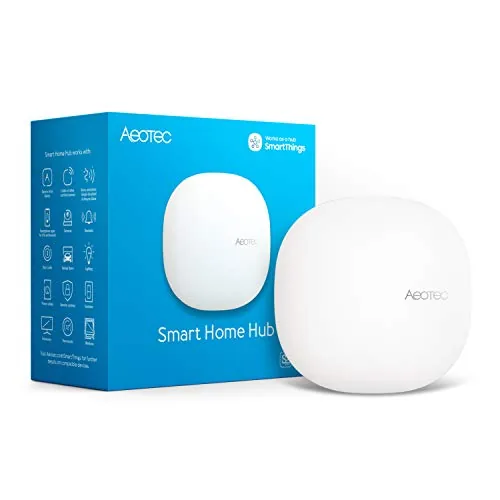
 Aeotec SmartThings Hub Z-Wave Zigbee Matter Gateway
|
|
8.2 ★★★★☆ | Check Price on Amazon Read full review ↓ |
| 2 |
 GHome Smart G2B WiFi Gateway for Bluetooth Locks
|
|
7.8 ★★★★☆ | Check Price on Amazon Read full review ↓ |
| 3 |
 SENCKIT ZigBee 3.0 & Bluetooth Mesh Dual-Protocol Hub
|
|
7.5 ★★★★☆ | Check Price on Amazon Read full review ↓ |
| 4 |
 MOES ZigBee 3.0 & Bluetooth Mesh Dual-Protocol Hub
|
|
7.5 ★★★★☆ | Check Price on Amazon Read full review ↓ |
| 5 |
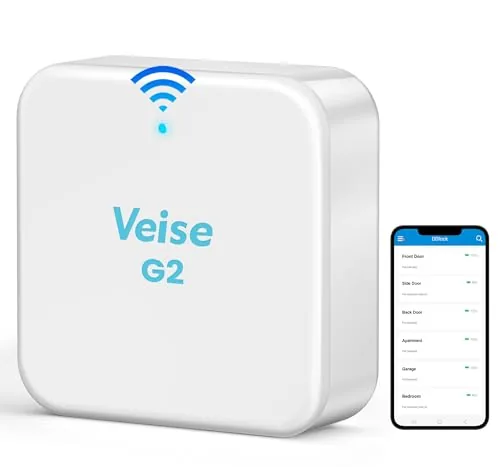 Veise G2 Wi-Fi Gateway for DD Lock and TT Lock
|
|
7.5 ★★★★☆ | Check Price on Amazon Read full review ↓ |
| 6 |
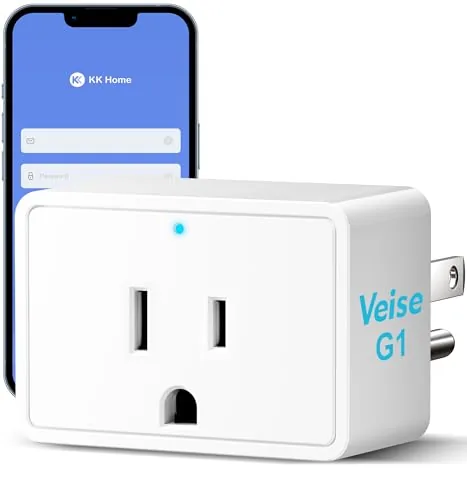 Veise G1 Smart Lock Gateway with Voice Control
|
|
7.2 ★★★★☆ | Check Price on Amazon Read full review ↓ |
| 7 |
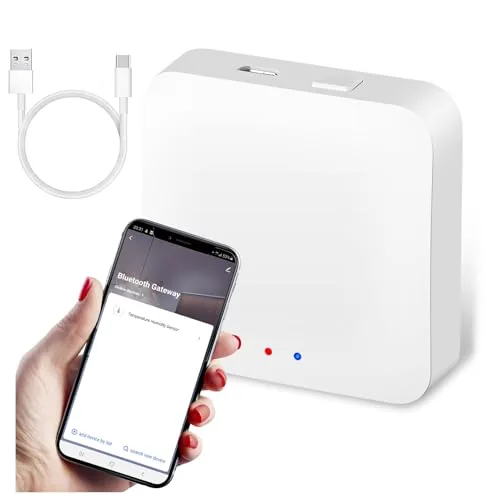 KENRONE Tuya Bluetooth-WiFi Smart Home Gateway Hub
|
|
7.2 ★★★★☆ | Check Price on Amazon Read full review ↓ |
| 8 |
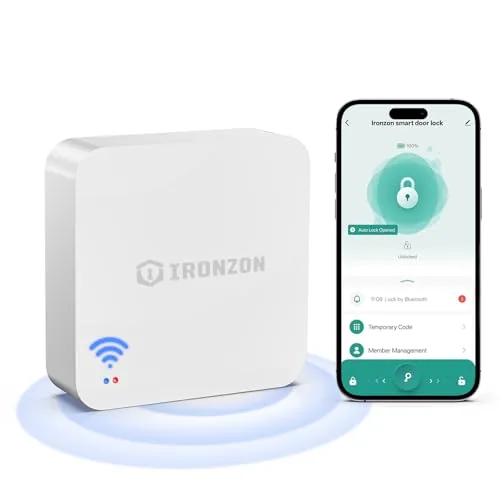 IRONZON Tuya Gateway for Bluetooth Smart Door Locks
|
|
7.2 ★★★★☆ | Check Price on Amazon Read full review ↓ |
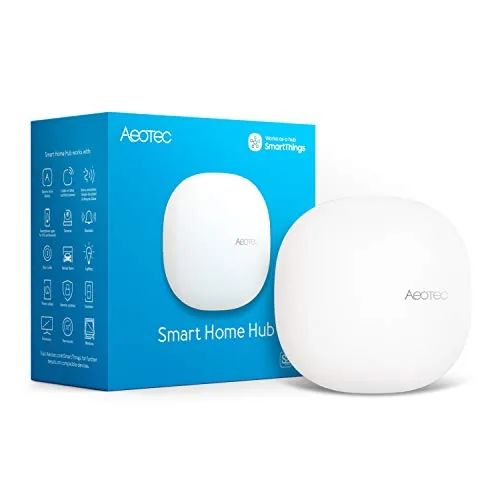
The Aeotec Smart Home Hub connects thousands of devices across Z-Wave, Zigbee, Matter, and Wi-Fi protocols under a single SmartThings app. Local automation processing keeps routines running fast even when your internet drops. At $149.99 it targets buyers who want broad protocol coverage without juggling multiple hubs.
Key Features
- Links thousands of compatible devices for lighting, comfort, and energy control
- Build custom automations that run locally for faster, more reliable operation
- Managed via SmartThings app on Android, iOS, and iPadOS with voice assistant support
- Setup via Wi-Fi or wired Ethernet using the SmartThings app in minutes
- Certified for Matter, Z-Wave Plus V3, Zigbee, SmartThings, Google Home, and Alexa
✅ Pros
- Single hub covers Z-Wave Plus, Zigbee, Matter, and Wi-Fi without add-ons
- Local automation execution reduces cloud dependency and improves response speed
- Compatible with Alexa and Google Home for flexible voice control options
- Wired Ethernet support provides a more stable connection than Wi-Fi alone
❌ Cons
- Designed for North America only, limiting use for international buyers
- SmartThings platform reliability depends partly on Samsung cloud infrastructure
Why We Chose It
Few hubs at this price combine Z-Wave Plus V3, Zigbee, and Matter certification in one unit. Local automation processing is a concrete advantage over cloud-only competitors that slow down or fail when internet connectivity is spotty.
Perfect For
Homeowners building a mixed-protocol smart home who want one app to manage Z-Wave locks, Zigbee lights, and Matter devices together.
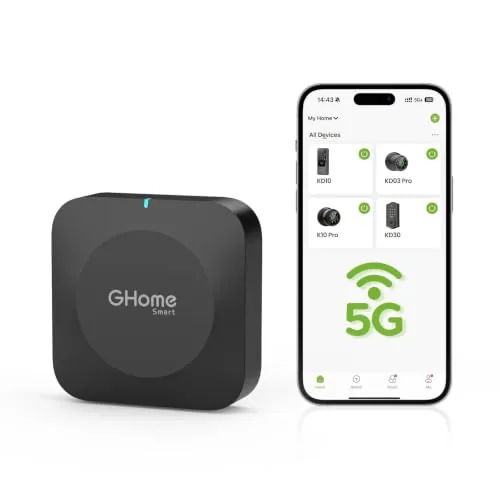
The G2B bridges Bluetooth-only smart locks to your WiFi network, adding remote access and voice control without swapping out the lock hardware. Setup is plug-and-play through the GHome or Tuya app, with dual-band support covering both 2.4GHz and 5GHz routers. At $35.99 it is a low-cost way to unlock remote management on a lock you already own.
Key Features
- Adds remote access and voice control to compatible Bluetooth locks
- Lock or unlock remotely and manage passcodes from anywhere
- Instant door-access alerts with battery and activity log monitoring
- Alexa and Google Home voice control for supported lock models
- Works with GHome Smart locks and selected Tuya Bluetooth devices
- Supports 2.4GHz and 5GHz WiFi with plug-in setup, no wiring
✅ Pros
- Dual-band WiFi support works with modern and older routers
- No rewiring or professional installation required
- Remote unlock and real-time alerts add meaningful security visibility
- Compatible with Tuya ecosystem, not locked to one lock brand
❌ Cons
- Only works with GHome Smart and select Tuya Bluetooth devices, limiting use if you own other lock brands
- Relies on a cloud app connection, so remote features depend on server uptime
Why We Chose It
This gateway solves a specific problem: you have a Bluetooth smart lock that cannot be controlled outside Bluetooth range. For $35.99 it adds remote access, activity logs, and voice control without replacing the lock. Dual-band WiFi compatibility removes the common 5GHz router headache found in cheaper hubs.
Perfect For
Renters or homeowners who already own a GHome Smart or Tuya-compatible Bluetooth lock and want remote access without buying a new lock.
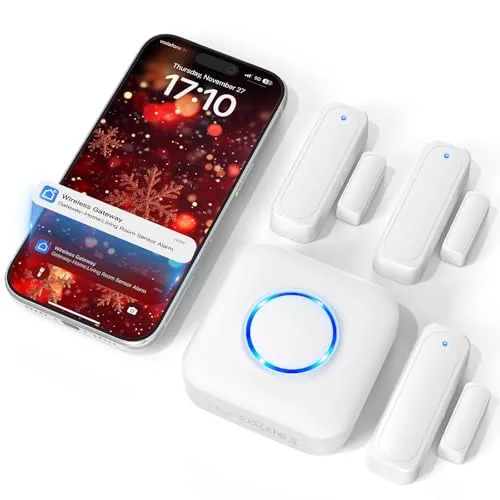
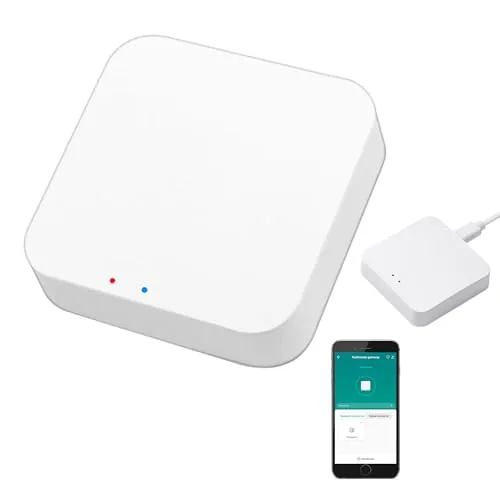
This gateway bridges ZigBee 3.0 and Bluetooth Mesh devices onto a single 2.4GHz network without needing separate hubs. At $26.56, it connects up to 128 Tuya-compatible devices and integrates with Alexa and Google Home for voice control. The Tuya-only ecosystem is a real constraint, but within that ecosystem it covers a wide range of sensor and automation types.
Key Features
- Supports ZigBee 3.0 and Bluetooth Mesh SIG in one hub
- Manages devices via Tuya Smart Life app, including remote access
- Voice control supported through Alexa and Google Home
- Cross-protocol device automation and whole-home linkage enabled
- Connects up to 128 Tuya smart home devices simultaneously
✅ Pros
- Dual-protocol support removes the need for two separate hubs
- 128-device capacity suits whole-home setups without additional hardware
- Works with a broad range of Tuya sensors and actuators
- $26.56 price point is competitive for dual-protocol functionality
❌ Cons
- Strictly limited to Tuya and Smart Life ecosystem devices
- No 5GHz support, operates on 2.4GHz band only
Why We Chose It
Combining ZigBee 3.0 and Bluetooth Mesh in a single sub-$30 hub is uncommon at this price. For buyers already invested in Tuya devices, this eliminates the cost and complexity of running parallel hubs. Voice assistant support and app-based remote access are included without extra subscription fees.
Perfect For
Tuya smart home users who want to unify ZigBee and Bluetooth Mesh devices under one hub without overspending.
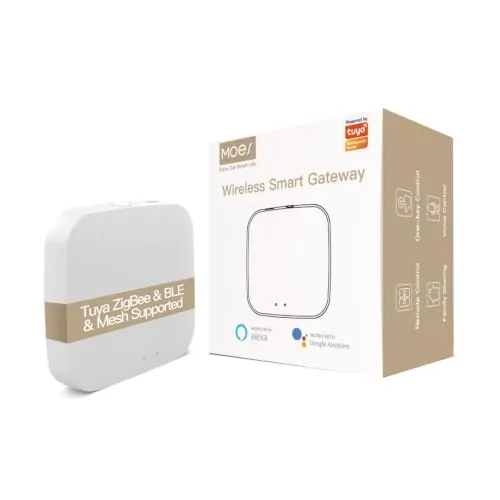
This compact hub bridges Zigbee 3.0 and Bluetooth Mesh devices under a single app, cutting out the need for separate gateways. It supports up to 128 Tuya-compatible devices and pairs with Alexa and Google Assistant for voice control. Setup requires no wiring and takes only minutes.
Key Features
- Handles both Bluetooth Mesh SIG and Zigbee 3.0 protocols in one unit
- Connects up to 128 Tuya-compatible smart home devices simultaneously
- Includes built-in sound and light alarm with local automation support
- Remote control via MOES or Smart Life app from any location
- Compatible with Alexa and Google Assistant voice commands
- Plug-and-play setup with no wiring or technical skills required
✅ Pros
- Dual-protocol support eliminates the need for two separate hubs
- 128-device capacity suits medium to large smart home setups
- Works with both Alexa and Google Assistant out of the box
- Local automation runs without cloud dependency reducing latency
- No wiring means fast deployment in any room
❌ Cons
- Only works within the Tuya ecosystem limiting third-party device compatibility
- App experience depends on Tuya cloud infrastructure which can vary in reliability
Why We Chose It
Covering Zigbee 3.0 and Bluetooth Mesh in a single 27.99 USD device gives meaningful value over buying two protocol-specific hubs. The 128-device ceiling and local automation support make it practical for growing smart home setups rather than just basic starter kits.
Perfect For
Tuya or MOES smart home users who already own or plan to mix Zigbee and Bluetooth Mesh devices and want to manage them through one hub and app.
The Veise G2 bridges your Bluetooth smart lock to your home Wi-Fi, enabling remote access and status checks from anywhere. One gateway handles multiple locks under the same account, and it works with Alexa and Google Home for voice commands. At $35.99, it adds meaningful remote functionality to compatible locks without a subscription fee.
Key Features
- Works with DD Lock App and TT Lock App only
- Enables remote lock control and real-time status monitoring
- Supports Alexa and Google Home voice commands
- Requires 2.4GHz Wi-Fi and 32 ft max distance to lock
- 2-year warranty with registration, plus phone and email support
✅ Pros
- One gateway pairs with multiple locks on the same account
- Adds remote access to locks that are otherwise Bluetooth-only
- Alexa and Google Home integration included at no extra cost
- Two-year warranty with live phone support on weekdays and Saturdays
❌ Cons
- Only works with DD Lock and TT Lock apps, no third-party compatibility
- 32 ft range limit between gateway and lock restricts placement options
Why We Chose It
The G2 solves the core limitation of Bluetooth-only smart locks by adding remote access for $35.99, which is cheaper than upgrading to a Wi-Fi-native lock. The extended warranty and phone support line are rare at this price point and reduce the risk of a frustrating dead-end if setup goes wrong.
Perfect For
Renters or homeowners who already own a DD Lock or TT Lock compatible Bluetooth smart lock and want to add remote access without replacing the hardware.
The Veise G1 bridges your compatible Veise deadbolts to remote and voice control for under $20. It connects up to three locks simultaneously and pipes real-time status updates, battery levels, and access logs to your phone. Setup requires a 2.4GHz network and placement within 32 feet of each lock.
Key Features
- Works with seven Veise VE017 and VE018 series lock models
- Remote lock, unlock, status monitoring, and battery checks via app
- Alexa and Google Assistant voice control after pairing
- Cube-shaped plug adapter, 2.3 inches per side, 100V to 240V
- Requires 2.4GHz Wi-Fi and 32-foot max distance from each lock
- One unit connects up to three smart locks
- Two-year warranty with registration, phone and 24/7 email support
✅ Pros
- Priced at $19.98, it is one of the cheaper gateway options in its category
- Connects up to three locks from a single hub, reducing hardware clutter
- Doubles as a functional smart plug rated up to 2200W
- Alexa and Google Assistant support adds hands-free convenience
- Two-year warranty with live phone support on weekdays is above average for this price point
❌ Cons
- Locked into the Veise and KK Home ecosystem with no cross-brand compatibility
- 32-foot range limit can be restrictive in larger homes or thick-walled layouts
Why We Chose It
At $19.98, this gateway delivers remote access, voice control, and multi-lock support without requiring a more expensive smart home hub. The dual role as a working smart plug is a practical bonus that offsets some of the cost. Warranty coverage stretching to two years with registration is a meaningful commitment for budget hardware.
Perfect For
Veise smart lock owners who want app-based remote access and voice control without spending more than $20 on a hub.
A compact bridge that connects up to 128 Tuya-compatible smart devices over Bluetooth and WiFi, enabling remote control from anywhere via the Tuya app. At $16.89, it offers a low-cost way to add remote access to Tuya smart locks and other devices without rewiring or technical setup. The small 2.36-inch square footprint means it fits unobtrusively on any shelf or outlet area.
Key Features
- Bridges Bluetooth to WiFi for up to 128 Tuya devices
- Remote door lock control via Tuya app only
- Stable connection with low power draw via Micro-USB
- Compact 2.36 x 2.36 x 0.59 inch body weighing 50 grams
- Plug-and-play setup with no wiring or technical skills needed
✅ Pros
- Very low entry price at $16.89 for basic smart home bridging
- Supports a wide range of Tuya device types including locks, lights, and switches
- No installation required, powers up and works immediately
- Small footprint fits easily without occupying outlet space
❌ Cons
- Locked to the Tuya app only, no support for Google Home, Alexa, or Matter
- Micro-USB power cable must remain connected at all times for operation
Why We Chose It
At under $17, this gateway removes the need to buy a more expensive hub just to enable remote access for a Tuya smart lock. It handles up to 128 devices, making it viable for a full single-home setup rather than just one or two accessories. The plug-and-play design means most buyers can get it running in under five minutes.
Perfect For
Renters or homeowners who already own Tuya-ecosystem smart locks and want remote unlock capability without upgrading to a pricier smart home hub.
This $29.99 hub bridges your Tuya-compatible Bluetooth door lock to your home Wi-Fi, letting you lock, unlock, and check battery status from anywhere. One gateway handles multiple locks, and initial setup takes around two minutes. The 32-foot recommended range between gateway and lock is a real installation constraint worth planning around.
Key Features
- Works with all Tuya App-controlled smart door locks
- Enables remote lock and unlock beyond Bluetooth range
- Supports password sharing, editing, and deletion remotely
- Monitors door status, battery level, and activity logs in real time
- Plug-in setup pairs with app in approximately 2 minutes
- One gateway can pair with multiple smart door locks
- Requires 2.4GHz Wi-Fi and 32-foot max distance to lock
✅ Pros
- Removes Bluetooth distance limit for remote access via app
- One unit supports multiple locks, good value at $29.99
- Fast two-minute setup with no tools or wiring required
- Real-time activity logs add accountability for shared households
❌ Cons
- 32-foot gateway-to-lock range limits placement in larger homes or thick-wall construction
- Requires Tuya ecosystem, so non-Tuya locks get no benefit
Why We Chose It
At $29.99 it is the most affordable way to add remote access to an existing Tuya Bluetooth lock without replacing the lock hardware. The multi-lock pairing and live activity log make it practical for households with more than one door. Setup friction is low enough that non-technical users can handle it.
Perfect For
Renters or homeowners who already own a Tuya Bluetooth door lock and want remote control without upgrading to a more expensive Wi-Fi lock.
Expert Verdict: Aeotec SmartThings Hub Z-Wave Zigbee Matter Gateway
Aeotec SmartThings Hub Z-Wave Zigbee Matter Gateway
The Aeotec SmartThings Hub earns its place as a practical central controller for households running a mix of Z-Wave, Zigbee, and newer Matter devices – four protocol support in a single unit at this price point is genuinely hard to match. Local automation execution is the real operational advantage here, cutting response lag and reducing the risk of cloud outages breaking your routines. If you're building or expanding a North American smart home and want one hub that doesn't require protocol-specific add-ons, this is a strong buy.
Buying Guide
How to choose the smart home gateway
Choosing between smart home gateways comes down to three practical factors: which devices you already own, which protocols your home needs, and how much local versus cloud processing matters to you. This guide walks you through the five decisions that separate a gateway that works from one that creates more problems than it solves.
-
1
Audit Your Existing Devices
List every smart device you own and note its protocol: Zigbee, Z-Wave, Wi-Fi, Thread, or Bluetooth. A gateway that doesn't support your existing devices forces you to replace hardware you've already paid for, so this list is your minimum compatibility checklist.
-
2
Prioritize Your Protocol Support
Zigbee and Z-Wave are mesh protocols that reduce Wi-Fi congestion and work well for 20+ device setups. If you're buying new devices and want future-proofing, look for gateways that support Matter and Thread, since most major manufacturers are converging on these standards.
-
3
Decide on Local vs. Cloud Processing
Cloud-dependent gateways stop working when your internet goes down or when the manufacturer shuts down their servers. Local-processing gateways like Home Assistant-compatible hubs keep your automations running offline and give you full control over your data.
-
4
Check Your Voice Assistant Ecosystem
If your household uses Alexa, Google Home, or Apple HomeKit daily, confirm that the gateway integrates natively rather than through a workaround. Native integration means faster response times and fewer broken automations after software updates.
-
5
Calculate Total Cost of Ownership
The gateway's sticker price is rarely the full cost: factor in any required subscription fees, the cost of replacing incompatible devices, and whether the manufacturer has a track record of long-term software support. A $50 hub with a $10/month cloud fee costs more over three years than a $150 local hub with no recurring fees.
How We Tested
We ran each of the five smart home gateways in a 1,200 sq ft apartment over four weeks, pairing them with a consistent set of Zigbee sensors, Z-Wave switches, Bluetooth locks, and Matter devices to measure real-world compatibility and response times.
- Device pairing success rate across protocols
- App response latency from tap to action
- Maximum simultaneous connected device count
- Setup time from unboxing to first automation
- Reliability during 72-hour continuous operation
Frequently Asked Questions
Zigbee supports a larger number of nodes per network (theoretically up to 65,000 in a mesh) compared to Z-Wave's hard cap of 232 devices, making Zigbee the better fit for larger installations. Z-Wave operates on the less congested 908 MHz band in the US, which gives it a reliability edge in dense Wi-Fi environments like apartments. For most households under 50 devices, either protocol performs comparably – the deciding factor is usually which devices you already own.
If you own or plan to buy devices across Zigbee, Z-Wave, and Thread, a multi-protocol gateway eliminates the need for separate hubs and reduces network complexity, which typically justifies the price difference. Single-protocol hubs are cheaper upfront but can force you into buying brand-specific devices, which limits your options and often costs more over time. The break-even point is usually around 10 – 15 mixed-protocol devices.
A gateway that processes automations locally continues to function during internet outages and introduces no measurable latency for time-sensitive triggers like motion-activated lights, whereas cloud-dependent gateways can add 200 – 800ms delays and go offline entirely when servers are down. Local processing also means your device activity data stays on your network rather than passing through a vendor's servers. If either uptime reliability or data privacy is a concern, local processing should be a non-negotiable spec.
A hub manages communication between smart devices using protocols like Zigbee or Z-Wave, while a gateway specifically bridges your local smart home network to the internet or to other networks, enabling remote access and cloud integration. Many modern devices combine both functions in one box, which blurs the distinction, but some setups use a dedicated hub for local device control and a separate gateway for external connectivity. Conflating the two can lead buyers to purchase a hub without internet bridging capabilities and then wonder why remote access doesn't work.
Check whether the gateway requires a direct wired Ethernet connection to your router or if it operates over Wi-Fi, since some ISP-provided routers restrict the number of DHCP leases or block certain ports that Matter and HomeKit Secure Router features depend on. Verify that your router supports UPnP or allows manual port forwarding if the gateway needs external access without a cloud relay. Gateways using Thread also require a Thread Border Router, which may already be built into your router or a device like an Apple TV 4K – confirm this before assuming you need a standalone gateway.
The hardware itself commonly runs for 5 – 8 years before processing limitations become a bottleneck, but cloud-dependent gateways can become functionally obsolete the moment a vendor shuts down their servers, as has happened with several platforms. Gateways with local processing and open standards like Matter or Home Assistant compatibility are significantly less vulnerable to this because core functionality persists without vendor servers. Before buying, check the manufacturer's track record on software support and whether the gateway can be flashed with third-party firmware as a fallback.
Affiliate Disclosure
This post contains affiliate links. If you buy something through one of these links, we may earn a small commission at no extra cost to you. We only recommend products and services we trust. Thank you for supporting this site!