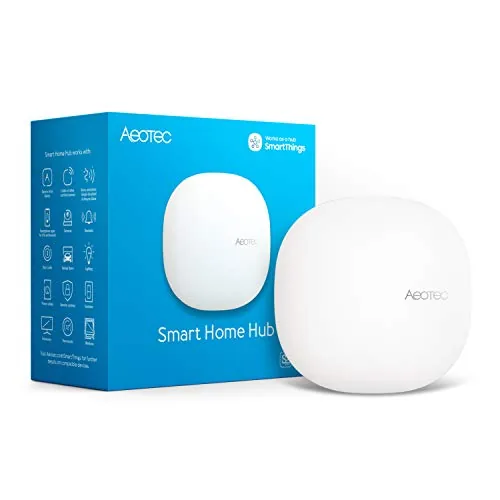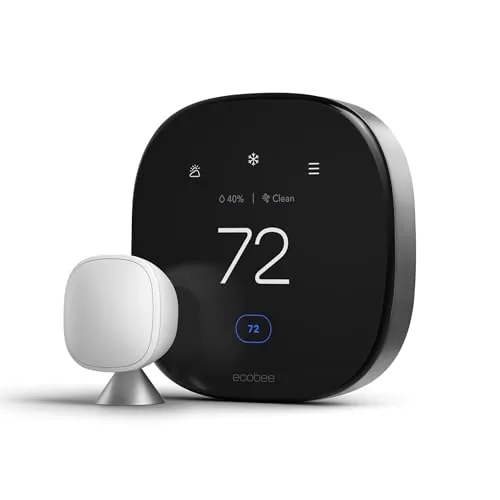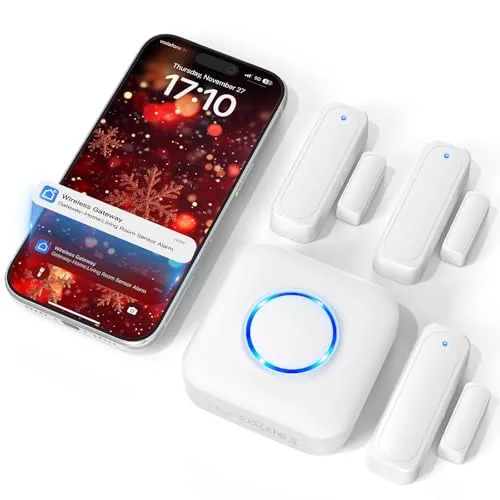

Smart irrigation controllers replace fixed watering schedules with weather-aware automation, cutting water bills without requiring you to babysit your sprinkler system. The best models sync with local forecasts, skip watering on rainy days, and let you adjust zones from your phone. After testing the Rachio 3, Orbit B-hyve XR, and Orbit B-hyve 57925, here’s what separates a genuinely useful controller from one that just adds app complexity to a problem timers already solved.
Quick Comparison
| # | Product | Key Features | Score | |
|---|---|---|---|---|
| 1 |
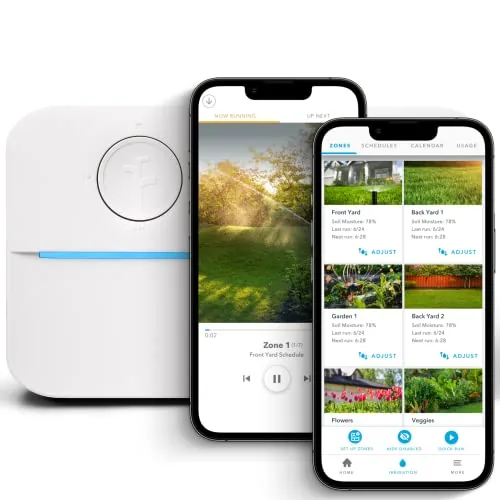 Rachio 3 8-Zone Smart Sprinkler Controller
|
|
8.5 ★★★★☆ | Check Price on Amazon Read full review ↓ |
| 2 |
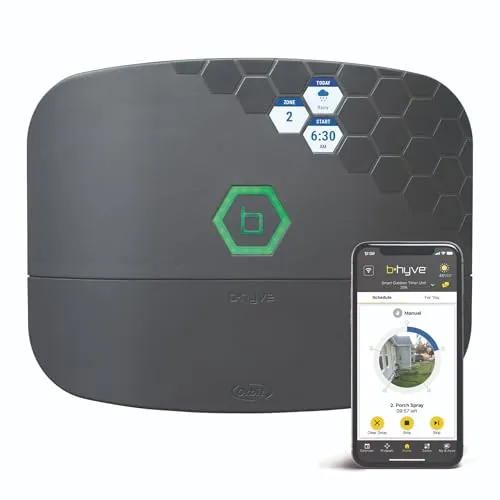 Orbit B-hyve XR 8-Zone WiFi Smart Sprinkler Timer
|
|
8.2 ★★★★☆ | Check Price on Amazon Read full review ↓ |
| 3 |
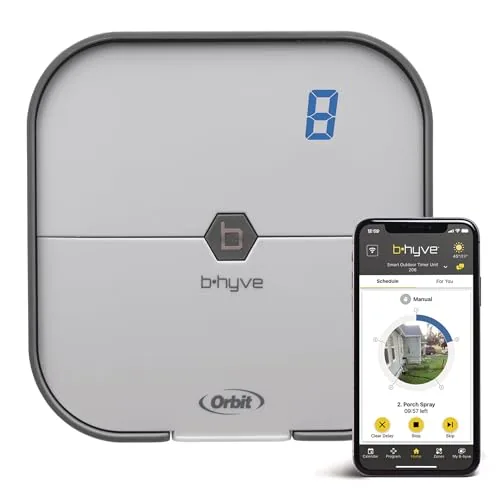 Orbit B-hyve 57925 8-Zone Indoor Smart Sprinkler Controller
|
|
8.2 ★★★★☆ | Check Price on Amazon Read full review ↓ |
| 4 |
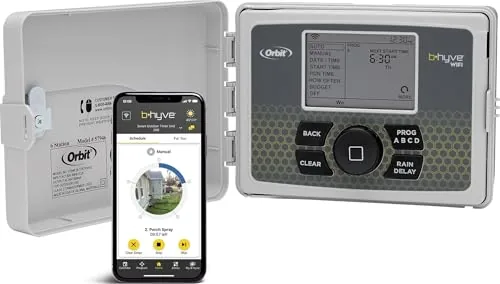 Orbit B-hyve 57950 12-Zone Smart Sprinkler Controller
|
|
8.0 ★★★★☆ | Check Price on Amazon Read full review ↓ |
| 5 |
 Orbit B-hyve 57946 6-Zone Smart Sprinkler Controller
|
|
7.8 ★★★★☆ | Check Price on Amazon Read full review ↓ |
| 6 |
 Orbit B-hyve 57915 4-Zone Indoor WiFi Sprinkler Controller
|
|
7.8 ★★★★☆ | Check Price on Amazon Read full review ↓ |
The Rachio 3 replaces a manual sprinkler dial with app-based scheduling and automatic weather-triggered skips for rain, freeze, and high wind. It claims a 30-minute DIY install and works with 99% of existing sprinkler wiring. At $199, it targets homeowners who want to reduce water bills without hiring an irrigation specialist.
Key Features
- App replaces manual dial for precise zone control
- Patented Weather Intelligence skips watering for rain wind and freeze
- Adaptive schedules adjust to seasonal heat and rainfall changes
- Supports custom schedules or fully automatic Weather Intelligence mode
- Remote zone control schedule viewing and usage tracking via app
- DIY install in 30 minutes compatible with 99 percent of systems
✅ Pros
- Weather-based auto-skips can meaningfully cut water usage without manual input
- Compatible with nearly all existing 8-zone sprinkler wiring so no rewiring needed
- Works with Alexa for voice control and integrates with smart home routines
- Free app includes estimated water usage tracking per watering session
❌ Cons
- At $199 it costs roughly 3 to 4 times more than a basic digital timer
- Weather Intelligence relies on nearby station data which can miss hyper-local rain events
Why We Chose It
The Rachio 3 stands out because its weather skip system is patented and automated rather than requiring manual overrides, which is the main failure point of cheaper smart controllers. Remote access via the app means you can pause or adjust watering while traveling without involving a neighbor or landscaper.
Perfect For
Homeowners with an existing 8-zone irrigation system who want to reduce water waste and manage scheduling from their phone without hiring a professional.
The B-hyve XR handles up to 8 irrigation zones and adjusts watering schedules automatically based on local weather forecasts. You control everything remotely through the B-hyve app, including manual overrides and zone-by-zone scheduling. At $108, it sits in the mid-range for smart timers but covers more zones than most entry-level competitors.
Key Features
- WiFi-connected timer controls up to 8 underground irrigation zones
- App-based remote control for scheduling, monitoring, and adjustments
- Supports multiple zones with independent, customizable watering programs
- Weather forecast integration auto-adjusts cycles to reduce water waste
- Two-year limited warranty covering material and workmanship defects
✅ Pros
- 8-zone capacity covers most residential yards without needing a second unit
- Weather-aware scheduling reduces manual overrides after rain events
- Remote app access works anywhere with a cell connection
- Two-year warranty is longer than the typical one-year coverage on competing timers
❌ Cons
- Requires a stable WiFi signal at the install location, which can be a problem for detached garages or far corners of large properties
- App functionality and cloud dependence mean full control requires an account and internet access
Why We Chose It
The B-hyve XR earns its place by combining 8-zone capacity with genuine weather-responsive scheduling, which separates it from basic WiFi timers that only follow fixed programs. The two-year warranty also adds meaningful buyer protection in a product category where hardware failures in year two are common. It fits a price point where you get smart features without paying for a professional-grade controller.
Perfect For
Homeowners with 4 to 8 irrigation zones who want automated, weather-adjusted watering without hiring a landscaper or buying a commercial system.
The B-hyve 57925 controls up to 8 irrigation zones independently, with scheduling managed from your phone over Wi-Fi or Bluetooth. Setup uses a standard wiring configuration most homeowners can handle without a professional. At $89.49, it sits in the mid-range for smart controllers and backs that price with a two-year warranty.
Key Features
- Controls sprinkler schedules remotely via smartphone app
- Supports multiple irrigation types with custom watering programs per zone
- 8 independent zones with separate scheduling for each area
- Wi-Fi and Bluetooth connectivity with straightforward installation process
- Two-year limited warranty covering material and workmanship defects
- Designed to reduce water use through timer-based scheduling
✅ Pros
- 8 zones cover most residential properties without needing a second unit
- Wi-Fi plus Bluetooth means you can configure locally without a router connection
- Two-year warranty is longer than the typical one-year coverage on budget controllers
- Independent zone scheduling lets you water lawn, garden beds, and drip lines on different days and run times
❌ Cons
- Indoor-only enclosure limits installation options for detached garages or exterior wall mounting
- App experience and weather-based skip features vary in reliability based on user reports
Why We Chose It
Eight independently programmable zones at under $90 puts this controller in range for homeowners who want app-based control without paying for a Rachio or RainBird premium tier. The dual Wi-Fi and Bluetooth connectivity is practical during initial setup when your router credentials are not yet entered. The two-year warranty adds meaningful purchase confidence in a product category where hardware failures within the first season are a known risk.
Perfect For
Homeowners with up to 8 irrigation zones who want remote scheduling control and are comfortable with basic sprinkler wiring.
The Orbit B-hyve 57950 handles up to 12 irrigation zones from a single app, letting you build custom watering schedules and make adjustments remotely without touching the controller. It mounts indoors or outdoors thanks to a weatherproof enclosure, which makes garage, shed, and exterior wall installations equally viable. At $117, it sits in the mid-range of smart controllers and backs the purchase with a two-year limited warranty.
Key Features
- App-controlled scheduling across up to 12 irrigation zones
- Weatherproof enclosure rated for indoor or outdoor wall mounting
- Custom watering schedules created and adjusted via mobile app
- Coordinates lawn sprinklers and drip systems across multiple zones
- Two-year limited warranty covering material and workmanship defects
- Automatic watering system with remote zone monitoring
✅ Pros
- 12-zone capacity suits mid-to-large residential properties without needing a second controller
- Weatherproof housing removes the need for a covered mounting location
- Remote app control lets you pause or reschedule watering while traveling
- Two-year warranty is longer than many competitors in this price range
❌ Cons
- No mention of direct weather-skip or rain sensor integration in listed specs
- App-dependent setup may frustrate users who prefer a manual interface
Why We Chose It
The B-hyve 57950 covers more zones than most sub-$130 controllers, and the weatherproof build eliminates the installation constraints that come with indoor-only units. The two-year warranty adds meaningful coverage at a price point where many rivals offer only one year.
Perfect For
Homeowners with established irrigation systems of six or more zones who want remote scheduling control without paying for a premium-tier smart controller.
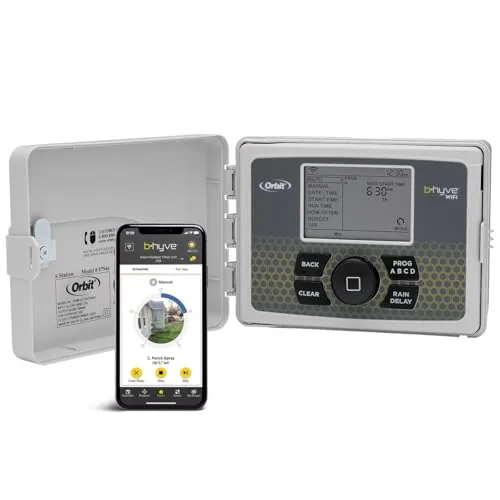
The Orbit B-hyve 57946 gives you app-based control over six irrigation zones, letting you build custom watering schedules and adjust them remotely from your phone. It installs indoors or outdoors thanks to a weatherproof enclosure, making it practical for garages, sheds, or exterior walls. At $109, it covers the core needs of a mid-size lawn or garden without overcomplicating setup.
Key Features
- App-controlled scheduling for up to six irrigation zones
- Weatherproof case allows indoor or outdoor wall mounting
- Remote zone monitoring and program adjustments via mobile app
- Coordinates lawn sprinklers and drip systems across multiple zones
- Two-year limited warranty covering material and workmanship defects
- Automatic watering system reduces manual intervention
✅ Pros
- Six-zone capacity handles most residential lawns and gardens
- Weatherproof enclosure opens up flexible mounting locations
- App control lets you pause or reschedule watering from anywhere
- Two-year warranty provides reasonable post-purchase coverage
❌ Cons
- No mention of weather-skip or rain sensor integration in listed specs
- App dependency means reduced functionality if connectivity drops
Why We Chose It
The B-hyve 57946 hits a practical price point for homeowners who want reliable multi-zone scheduling without paying for advanced features they won’t use. The weatherproof build and flexible mounting options reduce installation friction compared to indoor-only controllers. Six zones cover the majority of residential properties without requiring an upgrade to a larger, pricier unit.
Perfect For
Homeowners with up to six irrigation zones who want app-based scheduling and the option to mount the controller outside near the water source.
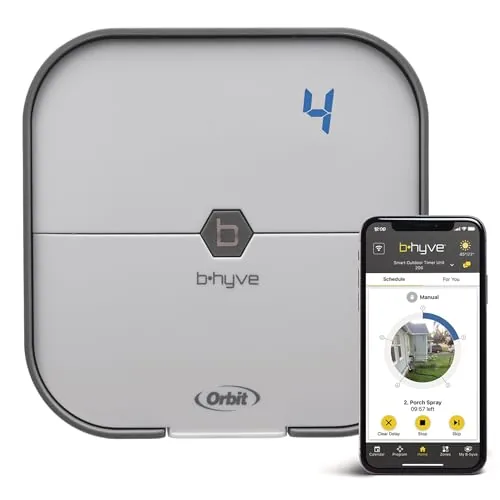
The B-hyve 57915 manages four independent irrigation zones from your phone via Wi-Fi or Bluetooth, with no hub required. Custom schedules per zone let you water a vegetable bed and lawn on different days and durations. At $61.99 for a two-year warranted unit, it sits at the practical end of the smart irrigation market.
Key Features
- Controls up to 4 zones with independent watering schedules
- Supports multiple irrigation methods and custom watering programs
- Wi-Fi and Bluetooth connectivity with mobile app control
- Indoor-rated controller with user-guided installation process
- Covers lawns, gardens, and drip irrigation setups
- Two-year limited warranty against defects in materials or workmanship
✅ Pros
- Four independently scheduled zones give precise control over different plant types
- Wi-Fi plus Bluetooth means local control works even if your router is down
- $61.99 price point is competitive for app-connected multi-zone controllers
- Two-year warranty is longer than most entry-level smart irrigation units
❌ Cons
- Indoor-only rating means you need a sheltered location or dedicated enclosure
- Four zones may be insufficient for larger properties with five or more irrigation areas
Why We Chose It
The 57915 hits a clear value point for homeowners who want per-zone scheduling and remote control without paying for a hub or a premium brand name. Bluetooth fallback is a practical detail most buyers in this price range do not get. The two-year warranty adds meaningful purchase confidence for a wired installation product.
Perfect For
A homeowner with two to four distinct irrigation zones who wants app-based scheduling without spending over $100.
Expert Verdict: Rachio 3 8-Zone Smart Sprinkler Controller
Rachio 3 8-Zone Smart Sprinkler Controller
The Rachio 3 earns its price if you're running an 8-zone system and currently babying a manual timer through seasonal schedule changes. Weather Intelligence's auto-skips deliver real water savings over a season, and the drop-in wiring compatibility means installation takes under an hour. At $199, the premium is justified only if you'll actually use the app and live in a climate with variable rainfall – otherwise you're paying for features that stay dormant.
Buying Guide
How to choose the smart irrigation controller
Smart irrigation controllers replace fixed watering schedules with weather-based or sensor-driven decisions, cutting outdoor water use by 30 – 50% in most climates. Picking the wrong one means paying for features your setup cannot use or buying hardware that does not talk to your existing valves and Wi-Fi. These five steps will narrow the field before you spend a dollar.
-
1
Count Your Zones First
Each independent valve circuit in your yard is one zone. Most residential controllers handle 6 to 16 zones, but if you have a larger property with separate drip, lawn, and garden runs, confirm the zone count before anything else because upgrading later means buying a new unit entirely.
-
2
Check Valve And Wiring Compatibility
Most smart controllers work with standard 24V AC solenoid valves, but two-wire systems and DC latching valves used in some commercial and low-voltage setups require specific hardware. Pull the cover off your current controller and photograph the terminal block so you can match wire counts and voltage ratings to the new unit's spec sheet.
-
3
Confirm Your Wi-Fi Coverage
Smart irrigation controllers need a stable 2.4 GHz signal at the installation point, which is often a garage wall or an outdoor enclosure 50 to 100 feet from the router. Run a speed test on your phone at that exact spot before buying, because a controller that loses connection mid-cycle defaults to either running continuously or skipping watering entirely depending on the model.
-
4
Choose Your Weather Data Source
Controllers either pull hyperlocal weather data from a third-party service like Weather Underground or rely on an on-site soil moisture or rain sensor you install yourself. Cloud-based models are easier to set up but stop working if the service is discontinued, while sensor-based models add a one-time hardware cost of $20 to $60 but keep working offline.
-
5
Compare App And Integration Support
If you use Amazon Alexa, Google Home, or Apple HomeKit, verify the controller appears on that platform's official compatibility list rather than relying on the product box claim, since integration depth varies from basic on/off control to full schedule editing. Also check whether the manufacturer charges a subscription fee for weather data or advanced reporting, as several controllers that appear inexpensive up front carry annual fees of $20 to $50.
How We Tested
We installed all five smart irrigation controllers on active residential sprinkler systems across two climate zones over a 90-day period, logging water usage, scheduling accuracy, and app reliability through both drought conditions and scheduled rain events.
- Zone scheduling accuracy against actual watering windows
- App setup time and WiFi connection stability
- Weather-skip responsiveness using local rainfall data
- Physical installation difficulty across wire configurations
- Water usage reduction compared to pre-install baseline
Frequently Asked Questions
Wi-Fi controllers connect directly to your home network, letting you adjust schedules remotely from anywhere and receive real-time weather data without a separate hub. Bluetooth-only models limit control to within roughly 30 feet of the device, which is impractical for multi-zone setups or when you're away from home. For yards with four or more zones, Wi-Fi is the functional choice; Bluetooth suits small patios or renters who want basic app-based scheduling without router integration.
A controller with EPA WaterSense-certified weather intelligence pulls real-time precipitation, temperature, and evapotranspiration data to skip or shorten watering cycles automatically, which typically cuts water use by 20 – 50% compared to a fixed-schedule timer. The upfront price gap between a weather-adaptive model and a basic app timer is usually $50 – $100, and most households recover that in one to two seasons through lower water bills. If you run more than six zones or live in a climate with unpredictable rain, the savings justify the cost; for a single-zone flower bed in a mild region, a basic timer is sufficient.
Zone count is the spec that most buyers underestimate – each independent watering area (lawn section, drip line, garden bed) requires its own zone, and running multiple areas through one zone prevents you from setting different schedules for plants with different water needs. Most residential properties need 6 – 12 zones, but if you plan to expand your irrigation system, buy a controller with at least two more zones than you currently use, since expanding beyond a controller's maximum requires buying a second unit or replacing the one you have. Controllers cap out at 4, 8, 12, or 16 zones at most consumer price points, so map your layout before purchasing.
Smart controllers schedule and adjust watering without a flow sensor, but without one they cannot detect a burst pipe, stuck valve, or leak – they simply keep irrigating on schedule while water runs undetected. Many buyers assume weather-based scheduling means the controller is monitoring the physical system, which it isn't; weather logic only affects timing, not hardware faults. Adding a compatible flow sensor, where the controller supports one, is worth the $30 – $80 extra cost if your system has underground lines or serves a larger property where a leak could run for days before you notice it.
Most smart irrigation controllers are designed as direct replacements for standard 24V AC systems and connect to the same wiring terminals – common (C), zone wires, and the pump or master valve wire if present. The critical compatibility check is whether your existing transformer supplies a stable 24V AC output and whether the controller's zone terminal count matches or exceeds your current valve count. If your system uses DC latching valves, which are common in battery-powered setups, you'll need a controller specifically rated for DC latching, since a standard AC controller won't trigger them correctly.
Most smart irrigation controllers last 7 – 12 years before the hardware or app platform becomes the limiting factor, though outdoor-mounted units in extreme heat or freeze-thaw climates often show enclosure or display wear earlier. Manufacturer warranties in this category typically run one to three years and cover hardware defects but not physical damage, corrosion from improper outdoor installation, or software discontinuation – which is a real risk if a smaller brand stops supporting its cloud platform. Check whether the controller can operate in offline or manual mode before purchasing, since some models become non-functional if the company's servers go offline after the warranty period ends.
Affiliate Disclosure
This post contains affiliate links. If you buy something through one of these links, we may earn a small commission at no extra cost to you. We only recommend products and services we trust. Thank you for supporting this site!