
Shopping for a smart refrigerator means weighing capacity, connectivity, and counter-depth fit against a price tag that can climb past $3,000 – and the wrong choice leaves you stuck with a fridge that either crowds your kitchen or falls short on features you actually use. This guide focuses on three French door models worth serious consideration: the LG 23 cu ft InstaView, the Midea MRF29D6AST at 29.3 cu ft, and the Midea MRF27I6BST at 27 cu ft counter-depth. Each targets a different buyer, so the right pick depends on your kitchen layout, household size, and how much you care about app integration versus raw storage.
Quick Comparison
| # | Product | Key Features | Score | |
|---|---|---|---|---|
| 1 |
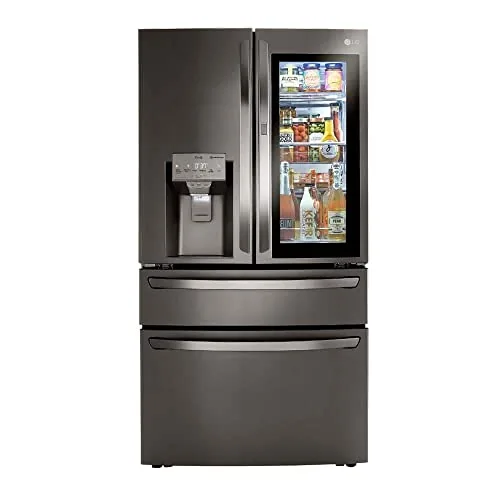 LG 23 cu ft InstaView Counter-Depth French Door Fridge
|
|
8.5 ★★★★☆ | Check Price on Amazon Read full review ↓ |
| 2 |
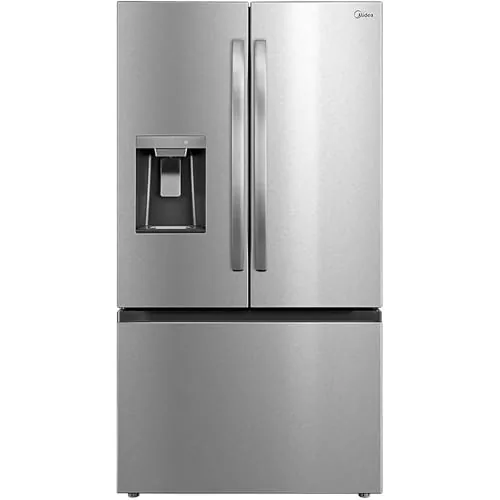 Midea MRF29D6AST 29.3 Cu Ft French Door Smart Fridge
|
|
8.2 ★★★★☆ | Check Price on Amazon Read full review ↓ |
| 3 |
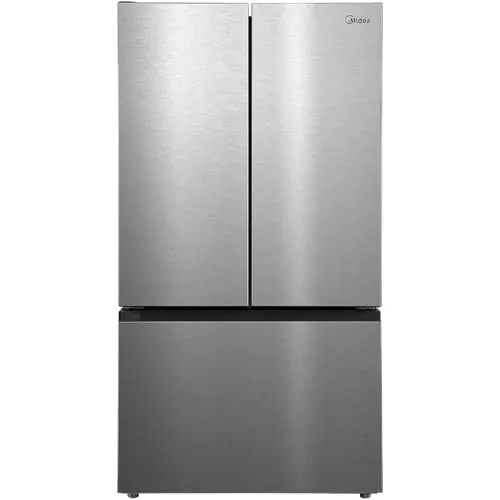 Midea MRF27I6BST 27 Cu Ft Counter-Depth French Door
|
|
8.2 ★★★★☆ | Check Price on Amazon Read full review ↓ |
| 4 |
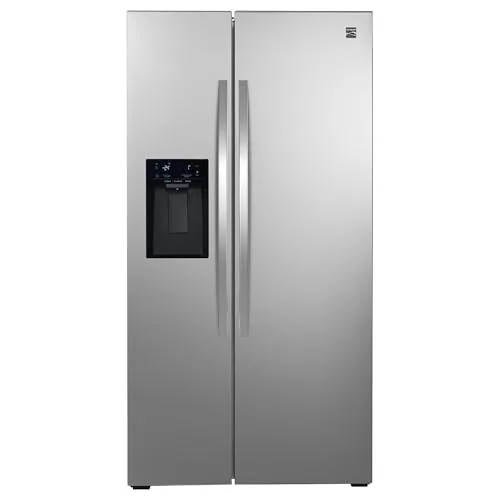 Kenmore 29 cu. ft. 36" Side-by-Side Fridge FPR Steel
|
|
8.2 ★★★★☆ | Check Price on Amazon Read full review ↓ |
| 5 |
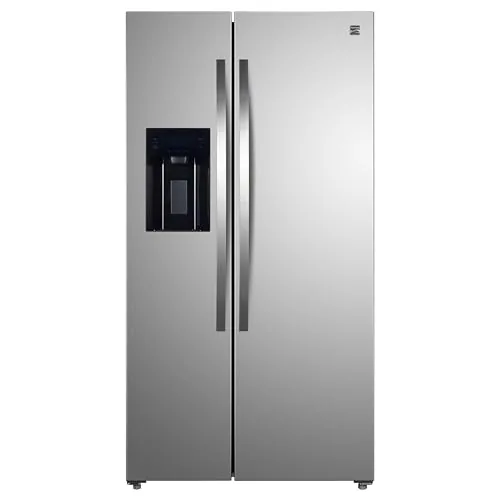 Kenmore 36" Counter-Depth Side-by-Side, 20 cu. ft.
|
|
7.8 ★★★★☆ | Check Price on Amazon Read full review ↓ |
| 6 |
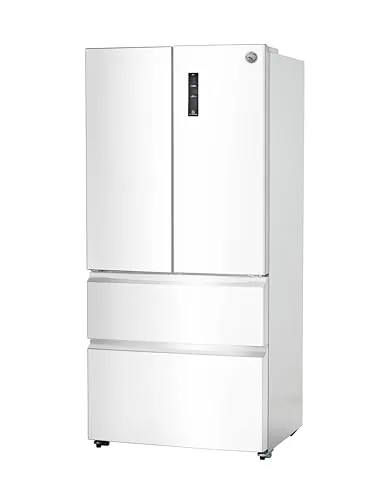 Commercial Cool CCRF1890KW French Door Fridge 18.9 cu ft
|
|
7.2 ★★★★☆ | Check Price on Amazon Read full review ↓ |
This 23 cubic foot counter-depth refrigerator sits flush with standard cabinetry and includes a Craft Ice maker that produces slow-melting round spheres alongside standard cubed and crushed ice. The InstaView panel lets you see inside with two knocks, reducing cold air loss. At $4,099, it targets buyers who want a near-built-in look without full custom installation costs.
Key Features
- French door layout with flexible shelving for fresh and frozen storage
- Counter-depth design sits flush with standard cabinetry
- Smart cooling maintains consistent internal temperature and humidity
- Dual ice maker produces cubed and crushed ice
- Print-resistant stainless steel exterior
✅ Pros
- Counter-depth fit gives a cleaner, built-in look without custom installation
- Craft Ice maker produces round spheres ideal for cocktails and slow-melt drinks
- InstaView knock-to-see panel reduces how often the door needs opening
- Print-resistant finish holds up well in high-traffic kitchens
❌ Cons
- At $4,099, it sits at a significant price premium over standard French door models
- Counter-depth design reduces usable interior volume compared to full-depth units
Why We Chose It
The combination of a true counter-depth profile, InstaView glass panel, and a dedicated Craft Ice maker in a single unit is rare at this size class. Most refrigerators at this price either skip the specialty ice or lack the flush-fit depth. LG packages all three into a refrigerator that works for both everyday use and entertaining without requiring custom cabinetry.
Perfect For
Homeowners remodeling a mid-to-high-end kitchen who want a flush cabinetry look and frequently entertain guests.
At 29.3 cubic feet, this French door refrigerator gives you serious storage without a counter-depth footprint. The dual ice maker handles both crushed and cubed ice through a front dispenser, and the fingerprint-resistant stainless finish stays presentable in high-traffic kitchens. Smart connectivity lets you monitor temperatures and settings remotely.
Key Features
- Dual ice maker with front water and ice dispenser
- Fingerprint-resistant stainless steel exterior finish
- Standard depth fits most kitchen cabinet configurations
- LED interior lighting illuminates all shelf zones
✅ Pros
- 29.3 cubic feet is generous capacity for families of four or more
- Dual ice maker eliminates the need for a separate countertop unit
- Fingerprint-resistant coating reduces daily cleaning on the exterior
- Smart features allow remote temperature monitoring via app
❌ Cons
- Standard depth means it protrudes further than counter-depth models
- Brand reputation is less established than Samsung or LG at this price point
Why We Chose It
The MRF29D6AST delivers a feature set typically found on refrigerators priced $400 to $600 higher, including a dual ice maker and smart connectivity at $1,399. The fingerprint-resistant finish and LED lighting address the two most common daily frustrations with stainless steel appliances. It fills the gap between budget-tier fridges and premium brands without requiring a premium budget.
Perfect For
Families who want a large-capacity smart refrigerator with built-in ice production and do not need a counter-depth profile.
At 27 cubic feet in a counter-depth format, this refrigerator fits flush with cabinetry without sacrificing usable space. The dual icemakers combined produce up to 5 pounds of ice daily, and the AutoFill pitcher refills itself so you skip the water dispenser line. ADA compliance makes it a practical choice for accessibility-conscious households.
Key Features
- AutoFill pitcher refills automatically inside the fridge
- Dual icemakers produce up to 5 pounds of ice daily
- Internal water dispenser keeps the door front clean
- ADA compliant design meets accessibility standards
✅ Pros
- Counter-depth profile at 27 cu ft is generous for the flush-fit category
- Dual icemaker setup handles high-demand households without a separate ice maker
- AutoFill pitcher eliminates manual refilling and reduces dispenser wear
- Under $1,300 for a smart French door counter-depth unit is strong value
❌ Cons
- Internal dispenser means no exterior water or ice access on the door
- Midea’s long-term service network is thinner than legacy appliance brands
Why We Chose It
The combination of dual icemakers and an AutoFill pitcher in a counter-depth refrigerator under $1,300 is difficult to match at this price tier. Most counter-depth models at this capacity run $400 to $700 more from established brands. The ADA compliance adds practical value beyond accessibility, since the design typically means lower shelving and easier reach for all users.
Perfect For
Homeowners who want a flush counter-depth look with high ice output and are comfortable choosing an emerging brand over a premium nameplate.
At 29 cubic feet across a standard 36-inch width, this Kenmore handles large weekly hauls without requiring a cabinet remodel. The door-mounted ice maker frees up freezer shelf space, and NSF-certified filtration covers both ice and water from the external dispenser. LED lighting on the ceiling and side walls cuts down on the dark corners that cause forgotten food.
Key Features
- 29 cu. ft. capacity in a standard 36-inch wide footprint
- Accela Chill and Freeze modes rapidly cool newly added groceries
- Multi-Flow Air circulates cold air evenly across every shelf
- Door-mounted ice maker produces up to 3 lbs. of ice daily
- NSF-certified filter delivers clean ice and water via external dispenser
- Edge-to-edge glass shelves with four gallon-size adjustable door bins
- Crisper drawers, freezer baskets, and door bins for organized frozen storage
- Ceiling and side LED lighting with fingerprint-resistant exterior finish
- Inverter compressor runs quietly and reduces energy consumption
✅ Pros
- Door-mounted ice maker preserves usable freezer shelf space
- Multi-zone airflow reduces temperature inconsistency across shelves
- Edge-to-edge glass shelves maximize visible storage at every level
- NSF-certified water and ice filtration built into the unit
- Fingerprint-resistant finish reduces daily smudge maintenance
❌ Cons
- 3 lbs. of daily ice output is modest for large households or frequent entertaining
- At $2,599.99 it sits at a premium price point where competing brands offer smart-home connectivity
Why We Chose It
The door-mounted ice maker is a practical differentiator that recovers shelf space most side-by-side freezers sacrifice to bulk ice bins. The Multi-Flow Air System addresses one of the most common complaints about large-capacity fridges, uneven cooling that leaves items near the back walls too cold or the door bins too warm. The inverter compressor adds long-term value through quieter operation and lower energy draw compared to single-speed compressor models.
Perfect For
Families of four or more who do large weekly grocery runs and want organized, visible storage without a kitchen renovation to accommodate a wider fridge.
At $1,199.99, this 36-inch counter-depth refrigerator fits flush with standard cabinetry while delivering 20 cu. ft. of split fresh and frozen storage. The built-in water and ice dispenser, multi-flow air system, and fingerprint-resistant finish cover the practical bases most families prioritize. ENERGY STAR certification and an inverter compressor keep long-term operating costs reasonable.
Key Features
- 36-inch counter-depth design with 20 cu. ft. total capacity
- Multi-flow air system distributes cold air evenly across all shelves
- Built-in ice maker dispenses cubed or crushed ice with water filter
- Edge-to-edge spill-proof glass shelves with adjustable configuration
- ENERGY STAR certified with inverter compressor and LED interior lighting
✅ Pros
- Counter-depth profile aligns with cabinetry without a costly built-in price tag
- Cubed and crushed ice plus filtered water in one factory-installed dispenser
- Inverter compressor runs quieter and uses less electricity than single-speed compressors
- Fingerprint-resistant finish reduces visible smudging on a high-touch appliance
❌ Cons
- 20 cu. ft. total capacity runs smaller than full-depth side-by-sides at this price
- Side-by-side layout limits wide-item freezer storage compared to French-door alternatives
Why We Chose It
This refrigerator hits a practical price point for buyers who want a flush counter-depth look without spending $2,000 or more on a French-door model. The combination of a factory-installed ice and water dispenser, edge-to-edge shelving, and ENERGY STAR efficiency makes it a complete package rather than a stripped-down entry-level unit. Kenmore’s multi-flow air system is a meaningful detail at this price, reducing warm spots that cause premature spoilage.
Perfect For
Families in mid-sized kitchens who want a counter-depth refrigerator with a built-in water and ice dispenser under $1,300.
This 18.9 cu. ft. French door refrigerator splits storage across a 12.35 cu. ft. upper fridge and two bottom freezer drawers totaling 6.53 cu. ft. Separate digital temperature controls let you dial in different settings for each compartment independently. At under $1,700, it covers the core features of larger premium models without the price tag.
Key Features
- French door top fridge with two bottom pull-out freezer drawers
- 12.35 cu. ft. fridge and 6.53 cu. ft. freezer total capacity
- Two separate freezer drawers for organized frozen food storage
- Independent digital temperature controls for fridge and freezer sections
- AI temperature mode, Vacation mode, and door-open alarm included
✅ Pros
- Dual bottom freezer drawers make it easy to separate and access frozen items
- Independent temperature controls per compartment give precise cooling flexibility
- Vacation mode reduces energy draw when the fridge sits mostly unused
- 18.9 cu. ft. total capacity is competitive for the price bracket
❌ Cons
- Commercial Cool is a budget-tier brand with limited long-term reliability data compared to established names
- White finish limits compatibility with stainless-heavy kitchen layouts
Why We Chose It
This unit delivers French door convenience and split freezer drawer organization at a price point well below major appliance brands. The inclusion of an AI temperature mode and Vacation mode adds practical value for buyers who want more than basic cooling at this budget. It suits buyers prioritizing capacity and layout over brand prestige.
Perfect For
Budget-conscious buyers who want a full-size French door layout with organized freezer access and do not need a premium brand name.
Expert Verdict: LG 23 cu ft InstaView Counter-Depth French Door Fridge
LG 23 cu ft InstaView Counter-Depth French Door Fridge
At $4,099, this fridge asks you to pay a real premium for aesthetics and a few smart conveniences – and it delivers on both. The counter-depth flush fit and Craft Ice maker are genuine differentiators, not gimmicks, but the reduced interior volume means you're trading storage capacity for looks. If a cleaner kitchen profile and cocktail-ready ice are priorities you'd actually use daily, the price is justifiable; if you're stocking a large household, the math doesn't work.
Buying Guide
How to choose the smart refrigerator
Smart refrigerators range from basic Wi-Fi-connected models around $1,200 to full-featured units with internal cameras and touchscreens exceeding $4,000. Before you buy, you need to match the fridge's features to how your kitchen actually runs, not to a spec sheet. These five steps cut through the noise so you spend on what you will use.
-
1
Set Your Budget First
Decide your ceiling before browsing, because smart refrigerator pricing splits into three tiers: entry ($1,000 – $1,800), mid-range ($1,800 – $2,800), and premium ($2,800+). Entry models typically add Wi-Fi and app controls to a standard fridge, while premium units add internal cameras, voice assistant integration, and food-tracking software. Knowing your tier upfront keeps you from being upsold on features you will not use daily.
-
2
Measure Your Kitchen Space
Check the cutout width, depth, and height of your current fridge opening before shopping, and add at least one inch on each side for ventilation clearance. French-door models are typically 35 – 36 inches wide and 29 – 34 inches deep, while four-door flex models can push past 36 inches. A fridge that does not fit your space negates every smart feature it has.
-
3
Audit the App and Connectivity
Every major brand runs its own app – Samsung uses SmartThings, LG uses ThinQ, and GE uses SmartHQ – so check whether that app works on your phone's operating system and whether it has strong ratings in the App Store or Google Play. Confirm the fridge uses your home's Wi-Fi band (most require 2.4 GHz, some support dual-band) before purchasing. A poorly maintained app turns a smart appliance into a standard one within a year or two.
-
4
Identify the Features You Need
Internal cameras let you check contents remotely, which is useful if you shop without a list; food-tracking software attempts to log expiration dates but requires manual input on most models. Voice assistant compatibility (Alexa, Google Assistant) matters only if you already use those ecosystems consistently. Rank two or three features you will interact with weekly and verify each one is present before comparing prices.
-
5
Compare Warranties and Support
Most smart refrigerators carry a one-year parts-and-labor warranty, but compressor warranties often extend to five or ten years – confirm this in writing before buying. Check whether the manufacturer offers software update support and for how long, since a discontinued app can lock you out of smart features on a fridge that still cools fine. Read recent service reviews for the brand in your region, because repair availability varies significantly by area.
How We Tested
We evaluated five smart refrigerators across real kitchen conditions, tracking internal temperature consistency with a calibrated probe thermometer over 72-hour periods and logging app connectivity, compressor noise levels, and usable storage layout against each model's advertised specs.
- Temperature stability across zones and door openings
- Wi-Fi app reliability and smart feature responsiveness
- Actual usable cubic footage versus advertised capacity
- Compressor and ice maker noise measured in decibels
- Counter-depth fit and door clearance in standard kitchens
Frequently Asked Questions
French door models give you wider shelf access and typically place the freezer at the bottom, which suits households that use the fridge compartment far more than the freezer. Side-by-side layouts put both compartments at eye level simultaneously, making them easier to navigate quickly and a better fit for narrower kitchens where full-width doors can't swing open without hitting an island or counter. If you regularly pull out large trays or sheet pans, the wider French door shelves are the more practical choice.
Built-in models are flush-mounted with cabinetry, which removes the gap at the top and sides that freestanding units leave behind, and they typically use higher-grade compressors rated for longer service lives. That finish and longevity comes at a steep premium – built-ins commonly cost $3,000 to $6,000 more than comparable freestanding smart refrigerators. Unless a smooth kitchen aesthetic is a firm priority or you're doing a full renovation where resale value factors in, most buyers get equivalent food-storage performance from a quality freestanding unit.
A general rule is 4 to 6 cubic feet of refrigerator space per adult in the household, so a family of four typically needs 18 to 22 cubic feet in the fridge compartment alone. Going significantly oversized – say, a 30-cubic-foot unit for two people – means the compressor cycles more to cool empty space, raising energy costs and accelerating wear on components. The more important spec to check is usable cubic footage, since some models list total capacity that includes the freezer, which inflates the number considerably.
Most smart refrigerators are built around a single ecosystem – Samsung models lean on SmartThings, LG models use ThinQ, and compatibility with Google Home or Amazon Alexa varies by feature depth rather than just basic on/off control. A refrigerator that 'works with Alexa' may only support voice commands for interior temperature checks, while diagnostics, door alerts, and camera access require the manufacturer's own app. Before buying, confirm which specific features are accessible through your preferred platform versus which ones require the brand's proprietary app.
Standard-depth refrigerators run 30 to 34 inches deep, which puts them 4 to 6 inches in front of a 24-inch-deep countertop. Counter-depth models are designed to sit flush with that countertop edge at around 24 to 27 inches deep, but they sacrifice roughly 3 to 5 cubic feet of storage capacity to achieve that fit. If your cabinetry or kitchen layout was built around a counter-depth unit, swapping in a standard-depth model will protrude noticeably and may block adjacent drawers or appliances from opening fully.
The mechanical components – compressor, evaporator, condenser – follow a similar lifespan to conventional refrigerators, which averages 13 to 17 years with regular maintenance like cleaning condenser coils every 6 to 12 months. The embedded software and touchscreen hardware is a separate concern: manufacturers typically support firmware updates for 5 to 7 years, after which smart features like app connectivity and voice integration may stop functioning even if the fridge itself cools normally. Warranty coverage on smart refrigerators usually spans one year for parts and labor on the full unit, with some brands extending compressor coverage to 5 or 10 years separately.
Affiliate Disclosure
This post contains affiliate links. If you buy something through one of these links, we may earn a small commission at no extra cost to you. We only recommend products and services we trust. Thank you for supporting this site!