
Smart thermostats have gotten specific enough that picking the wrong one means paying for sensors you’ll never use or losing compatibility with your HVAC system on day one. This guide focuses on three models worth serious consideration – the ecobee Smart Thermostat with Occupancy Sensing, the Google Nest Thermostat Snow (no C-wire required), and the ecobee Smart Thermostat Essential – each targeting a different buyer based on home size, budget, and how hands-on you want to be with energy scheduling. If you want to cut heating and cooling costs without a complicated install or a steep learning curve, one of these will fit.
Quick Comparison
| # | Product | Key Features | Score | |
|---|---|---|---|---|
| 1 |
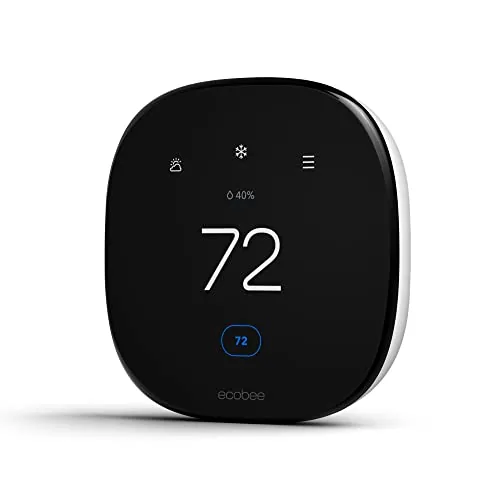 ecobee Smart Thermostat improved with Occupancy Sensing
|
|
8.5 ★★★★☆ | Check Price on Amazon Read full review ↓ |
| 2 |
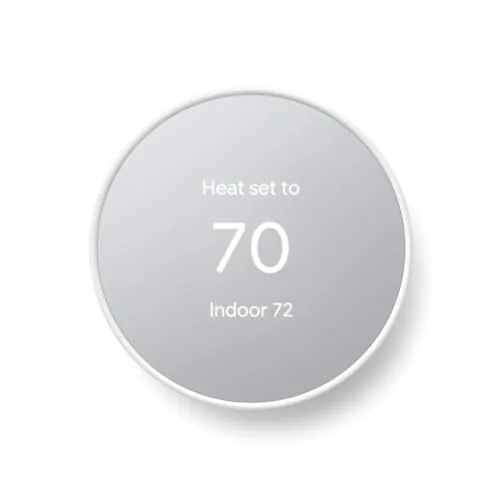 Google Nest Thermostat Snow No-C-Wire Smart Wifi
|
|
8.2 ★★★★☆ | Check Price on Amazon Read full review ↓ |
| 3 |
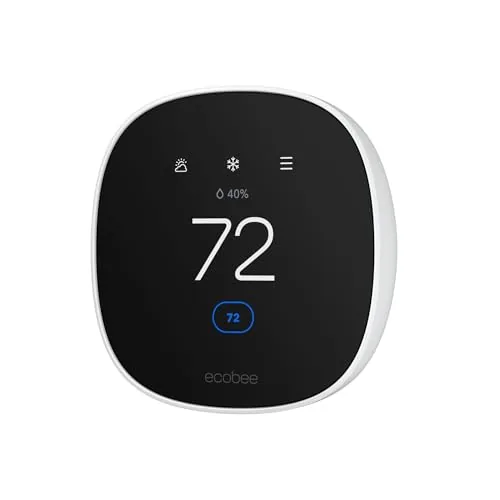 ecobee Smart Thermostat Essential WiFi Energy Star
|
|
8.2 ★★★★☆ | Check Price on Amazon Read full review ↓ |
| 4 |
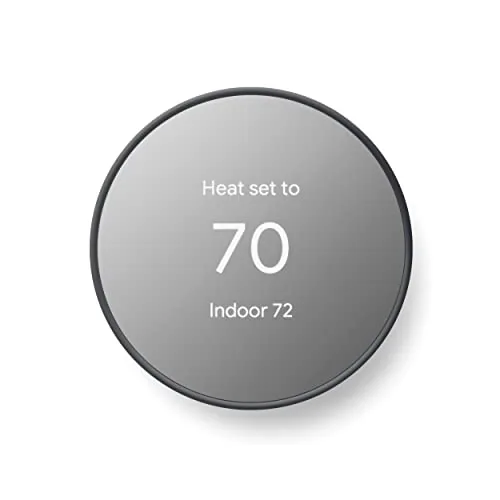 Google Nest Thermostat Smart WiFi Charcoal
|
|
8.2 ★★★★☆ | Check Price on Amazon Read full review ↓ |
| 5 |
 Sensi ST55 Wi-Fi Smart Thermostat, No C-Wire Needed
|
|
8.2 ★★★★☆ | Check Price on Amazon Read full review ↓ |
| 6 |
 Amazon Smart Thermostat with Alexa and Honeywell Tech
|
|
7.8 ★★★★☆ | Check Price on Amazon Read full review ↓ |
| 7 |
 Sensi ST25 WiFi Smart Thermostat, Energy Star
|
|
7.5 ★★★★☆ | Check Price on Amazon Read full review ↓ |
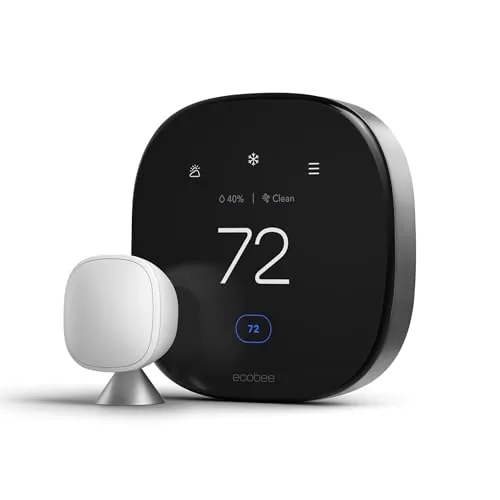
The ecobee Smart Thermostat improved combines occupancy detection with schedule learning to cut heating and cooling costs without manual adjustments. It fits 90% of HVAC systems and includes a Power Extender Kit for homes without a C-wire, making installation straightforward for most homeowners. Remote control works through the ecobee app on iOS and Android, with full support for Alexa, Google Assistant, Apple HomeKit, and SmartThings.
Key Features
- Reduces annual heating and cooling costs by up to 26 percent
- Occupancy sensing preheats or precools before you arrive home
- Learns your temperature preferences and adjusts for humidity automatically
- Compatible with 90 percent of residential HVAC systems
- Includes Power Extender Kit and Trim Kit for DIY installation
- Control temperature remotely via app on smartphone tablet or Apple Watch
- Works with Alexa Google Assistant Apple HomeKit and SmartThings
- Optional SmartSensors add room-by-room occupancy detection sold separately
- Covered by a 3-year manufacturer warranty
✅ Pros
- Occupancy sensing and schedule learning reduce energy use without manual input
- Includes C-wire adapter so installation works in most older homes
- Broad smart home platform support covers Alexa HomeKit Google and SmartThings
- Three-year warranty is longer than most competing thermostats offer
❌ Cons
- SmartSensors for room-level comfort are sold separately adding to total cost
- 179.99 price sits above basic programmable thermostats for budget-conscious buyers
Why We Chose It
The combination of built-in occupancy sensing and humidity-adjusted comfort puts this above standard programmable thermostats that rely entirely on fixed schedules. The included PEK resolves the C-wire problem that blocks many homeowners from upgrading, and the three-year warranty adds meaningful long-term value at this price point.
Perfect For
Homeowners with older HVAC systems who want automated energy savings and broad smart home integration without hiring an electrician.
The Nest Thermostat works without a C wire in most homes, making installation straightforward for the majority of existing HVAC setups. It uses occupancy detection to reduce heating and cooling when the house is empty, and the Savings Finder feature in the Google Home app actively suggests schedule changes to lower your energy bills. At $104, it sits at the budget end of the Nest lineup without dropping Matter compatibility or voice assistant support.
Key Features
- ENERGY STAR certified, reduces energy use automatically
- No C wire required in most home HVAC setups
- Auto-setback when home is empty cuts wasted energy
- Schedule programming via Google Home app on iOS or Android
- Remote temperature control from any phone, laptop, or tablet
- Savings Finder suggests schedule tweaks to cut energy costs
- HVAC monitoring sends alerts for system irregularities or maintenance
- Compatible with Google Assistant, Alexa, and all Matter-certified assistants
✅ Pros
- Installs without a C wire in most homes, reducing setup friction
- Matter certification means it works across multiple smart home ecosystems including Alexa
- HVAC monitoring adds proactive alerts before small issues become costly repairs
- Savings Finder gives ongoing optimization rather than a one-time setup
❌ Cons
- Heating-only, cooling-only, zone-controlled, and heat pump systems may require a C wire or additional accessory
- No physical lock feature, which limits control in shared or rental settings
Why We Chose It
The no-C-wire design removes the most common installation barrier for renters and older homes, and Matter certification future-proofs it against ecosystem changes. HVAC monitoring at this price point is uncommon and adds practical value beyond basic scheduling. It covers core smart thermostat functionality without the higher price of the Nest Learning Thermostat.
Perfect For
Homeowners or renters with standard HVAC systems who want straightforward smart thermostat control without hiring an electrician or buying the premium Nest model.
The ecobee Smart Thermostat Essential runs on a schedule you set, cutting heating and cooling costs by up to 23% compared to a fixed 72-degree hold. A color touchscreen and smartphone app give you straightforward control, and free software updates keep the device current over time. Optional SmartSensors let you monitor temperature and occupancy in specific rooms rather than relying on a single hallway reading.
Key Features
- Schedule-based energy savings up to 23% versus a 72-degree hold
- Compatible with 85% of HVAC systems via online checker
- Color touchscreen plus ecobee app for remote control
- Free software updates included for life of device
- Adjusts automatically when home or away based on set schedule
- DIY install supported; C-wire adapter kit sold separately
- Works with Apple HomeKit, Google Assistant, and Alexa
- Supports gas, oil, electric, dual fuel, forced air, heat pump, and boilers
- Optional SmartSensor reads temperature and occupancy in individual rooms
✅ Pros
- Up to 23% annual savings on HVAC costs with schedule-based control
- Broad compatibility with 85% of 24 VAC systems including heat pumps and boilers
- Connects to Apple HomeKit, Google Assistant, and Alexa without a hub
- Color touchscreen is responsive and readable at a glance
- Free lifetime software updates extend long-term value
❌ Cons
- C-wire adapter kit and trim kit cost extra and are not included
- SmartSensors for room-by-room control sold separately, adding to total cost
Why We Chose It
At $139.99 the Essential sits well below the premium ecobee models while keeping the core scheduling, app control, and smart home integrations that make the brand worth buying. Its compatibility with 85% of systems and no-C-wire workaround lower the barrier for older homes. Room-level sensing is available through add-on SmartSensors, giving you a clear upgrade path without buying a new thermostat.
Perfect For
Homeowners who want a set-and-forget smart thermostat with solid app control and broad HVAC compatibility without paying for premium occupancy sensing features they may not need.
The Nest Thermostat automates temperature adjustments based on occupancy and lets you build a custom schedule through the Google Home app. At $109.49, it sits below most learning thermostats while still offering remote control, HVAC health alerts, and Matter compatibility. It works on 2.4 GHz and 5 GHz WiFi and pairs with Google Assistant and other Matter-certified voice assistants.
Key Features
- ENERGY STAR certified with occupancy-based auto setback
- Works without C wire in most homes; some systems require one
- Turns down automatically when you leave the house
- Schedule creation and editing via Google Home app on iOS or Android
- Remote temperature control from any phone, laptop, or tablet
- Savings Finder suggests schedule tweaks to reduce energy use
- HVAC monitoring sends alerts when system behavior seems abnormal
- Compatible with Google Assistant and all Matter-certified voice assistants
✅ Pros
- No C wire required in most standard HVAC setups
- Dual-band WiFi support at both 2.4 GHz and 5 GHz
- Matter certification ensures broad smart home platform compatibility
- HVAC monitoring catches potential system issues before they become costly
❌ Cons
- Heating-only, cooling-only, zone, and heat pump systems may need a C wire or add-on accessory
- No learning feature; scheduling is manual through the app rather than adaptive
Why We Chose It
At $109.49, this thermostat delivers remote control, occupancy detection, and HVAC health monitoring without requiring a learning algorithm or a premium price. Matter certification future-proofs it against smart home ecosystem changes. The Savings Finder feature adds ongoing value by identifying schedule optimizations you might not configure manually.
Perfect For
Homeowners with a standard central HVAC system who want app-based scheduling and remote control without paying for a learning thermostat.
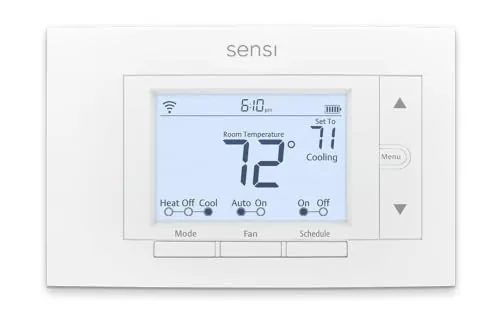
The Sensi ST55 fits where your old thermostat sat and connects to your home Wi-Fi without requiring a common wire in most setups. You get remote control, flexible scheduling, and HVAC usage reports through the Sensi app. At under $100, it covers the core smart thermostat features without a complicated install or a monthly subscription.
Key Features
- Does not sell user data to third parties
- Installs via app guidance with built-in level, no C-wire required
- ENERGY STAR certified with scheduling and remote access for energy savings
- Same footprint as standard thermostats, no wall patching required
- Sends HVAC usage reports, equipment alerts, and filter reminders
✅ Pros
- No C-wire required in most homes, lowering installation barriers
- Same physical size as traditional thermostats eliminates wall repair work
- App-based scheduling and remote access without a subscription fee
- Privacy policy explicitly prohibits selling user data to third parties
❌ Cons
- Energy savings estimate of 23% is based on ideal conditions and will vary
- App feature set is more basic than Ecobee or Nest competitors at a similar price point
Why We Chose It
The ST55 earns its place by removing two common smart thermostat headaches: the need for a C-wire and wall damage from upsizing. The privacy commitment and no-subscription model add practical long-term value at this price tier.
Perfect For
Renters or homeowners who want basic smart scheduling and remote access without rewiring or paying ongoing fees.
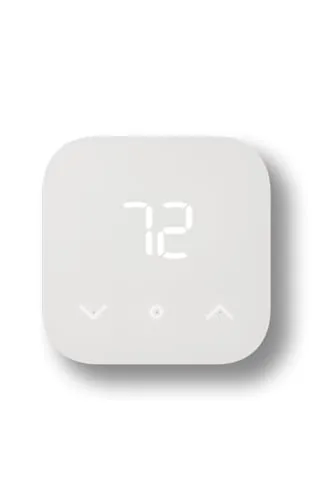
At $79.99, this thermostat covers the core bases: scheduled control, remote access via the Alexa app, and compatibility with Alexa presence detection for hands-free temperature adjustment. The EPA ENERGY STAR certification points to real savings potential, averaging $90 annually, and utility rebates may reduce your upfront cost further. Installation is guided step-by-step through the Alexa app, making it a practical option for renters or first-time smart home buyers.
Key Features
- Connects to select Alexa devices for presence-based temperature control
- Creates home, away, and sleep schedules or uses Alexa automation
- Controls temperature remotely through the Alexa app
- ENERGY STAR certified, estimated $90 average annual energy savings
- Potential rebates from local energy providers after purchase
- Built on Honeywell Home thermostat hardware and engineering
- Step-by-step DIY installation guided through the Alexa app
- Requires a C-wire for installation
✅ Pros
- $79.99 price point is competitive for a smart thermostat with presence detection
- Honeywell Home hardware provides reliable temperature accuracy and build quality
- ENERGY STAR certification means real-world energy savings, not just estimates
- Utility rebate eligibility can reduce effective purchase price
- Alexa app remote control works without a separate proprietary app
❌ Cons
- Requires a C-wire, which older homes may lack without an add-a-wire adapter
- Full automation features depend on Alexa Plus subscription
Why We Chose It
The combination of Honeywell Home hardware reliability and Alexa ecosystem integration at under $80 makes this a competitive pick in the budget-to-mid smart thermostat range. Presence detection through Alexa devices is a feature typically found on pricier models, and the ENERGY STAR certification adds credibility to the savings claims.
Perfect For
Homeowners already using Alexa devices who want a straightforward, app-controlled thermostat without paying for premium brands like Ecobee or Nest.
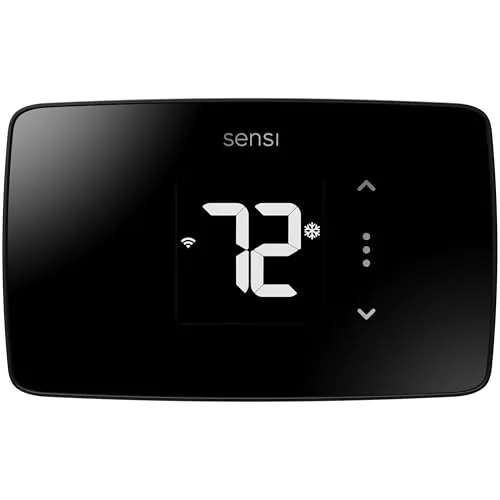
The ST25 installs in under 30 minutes using a built-in level and guided app walkthrough, no electrician required. A C-wire is only needed for heat pump or heat/cool-only systems, so most homes can skip that step entirely. Energy Star certification and geofencing together target around 23% reduction in HVAC energy costs.
Key Features
- Built-in level and step-by-step app guide for fast self-installation
- C-wire required only for heat pump and heat/cool-only systems
- Energy Star certified with geofencing, scheduling, and usage reports
- Personal data not sold or used for ad targeting
- Top-rated iOS and Android app for remote temperature control
✅ Pros
- No C-wire needed on most standard HVAC systems
- Geofencing adjusts temperature automatically when you leave or return home
- Privacy policy explicitly excludes selling or advertising with user data
- At $61.99, delivers smart thermostat features at a mid-range price
❌ Cons
- Heat pump owners must verify C-wire availability before purchasing
- App-dependent setup may frustrate users with limited smartphone familiarity
Why We Chose It
The ST25 sits at a practical price point where it undercuts premium competitors without stripping out the features that actually affect energy bills, specifically geofencing and flexible scheduling. Its explicit no-data-selling privacy policy addresses a real concern that most competing brands sidestep entirely.
Perfect For
Homeowners with a conventional forced-air system who want reliable smart scheduling and remote access without paying for a touchscreen display they rarely use.
Expert Verdict: ecobee Smart Thermostat improved with Occupancy Sensing
ecobee Smart Thermostat improved with Occupancy Sensing
The ecobee Smart Thermostat's occupancy sensing and schedule learning do the energy-saving work automatically, which separates it from programmable thermostats that depend on the homeowner setting things up correctly and sticking to a routine. At $179.99 it costs more upfront, but the claimed 26% annual savings on heating and cooling makes that gap close faster than most buyers expect. If you want hands-off energy management with broad smart home compatibility, this is a strong buy.
Buying Guide
How to choose the smart thermostat
Smart thermostats can cut heating and cooling costs by 10 – 23% annually, but only if you buy the right one for your home setup and habits. This guide walks you through the five decisions that actually determine whether a smart thermostat pays off for you.
-
1
Check Your System Compatibility
Before anything else, confirm your HVAC system has a C-wire, which most smart thermostats require for continuous power. Systems with heat pumps, multi-stage heating, or radiant floor heat have narrower compatibility windows, so use the compatibility checker on the manufacturer's website with your actual wiring configuration before purchasing.
-
2
Set Your Budget
Entry-level smart thermostats run $80 – $130 and handle scheduling and remote control well. Models in the $150 – $250 range add occupancy sensing, learning algorithms, and tighter integration with platforms like Google Home or Amazon Alexa, which shortens the payback period if you have irregular schedules.
-
3
Pick Your Control Platform
Decide whether you want your thermostat inside Apple HomeKit, Google Home, or Amazon Alexa before comparing models, since most devices commit fully to one ecosystem. Switching ecosystems later typically means replacing the hardware entirely.
-
4
Evaluate Key Features
Geofencing automatically adjusts temperature when your phone leaves or approaches home, which matters more than voice control for most households. If multiple people live in your home, check whether the thermostat can detect occupancy through motion or room sensors rather than relying on a single phone's location.
-
5
Verify Rebates Before Buying
Many utility companies offer $50 – $100 rebates on approved smart thermostats, and some participate in demand-response programs that pay you to let them adjust your thermostat during peak grid hours. Check your utility's website directly using your zip code before finalizing which model you buy, since eligible models vary by provider.
How We Tested
We installed each of the five smart thermostats in active households over a 6-week period, logging temperature accuracy, app responsiveness, and energy usage data across heating and cooling cycles.
- Installation difficulty with and without a C-wire
- Temperature accuracy versus a calibrated reference thermometer
- App control speed and reliability on iOS and Android
- Scheduling and occupancy detection response time
- Monthly energy report clarity and actionability
Frequently Asked Questions
Learning thermostats build a temperature schedule automatically by tracking your adjustments over one to two weeks, which works well for households with consistent routines. If your schedule changes frequently – shift workers, households with variable occupancy – a schedule-based thermostat you program manually gives you more predictable control without the system constantly re-learning. Geofencing-enabled schedule-based models can also adjust based on phone location, which closes much of the gap for unpredictable schedules.
If your HVAC return is far from the rooms you use most, a remote sensor setup pays off because it measures actual occupied-room temperature rather than hallway temperature near the unit. For open-plan homes or single-floor apartments where the thermostat placement is reasonably central, the accuracy gain is small and the base model is sufficient. The price premium makes the most sense in multi-story homes or houses with known hot and cold spots.
A C-wire (common wire) provides continuous 24V power to run a thermostat's Wi-Fi radio and color display without draining batteries or power-stealing from the heating wire, which can cause equipment short-cycling. Most homes built after 2000 have a C-wire at the wall, but older systems often do not, which limits you to models that include a power-adapter kit or run on AA batteries. Before buying, pull your existing thermostat off the wall and check whether a blue wire is connected to a terminal labeled C – that single check determines your full range of compatible models.
ENERGY STAR certification for thermostats confirms that the device meets EPA standards for programming accuracy and communication features, not that it will automatically cut your bill by a specific percentage. Actual savings depend on how much you were manually over-heating or cooling before, your local utility rates, and whether your HVAC system is properly sized and maintained. A certified thermostat used in a rarely occupied home that was already set conservatively may show no measurable savings at all.
Most mid-range and premium smart thermostats support two-stage heating and cooling, using separate wire terminals (W1/W2 and Y1/Y2) to control first and second-stage operation. Heat pumps with auxiliary electric strips require a thermostat that also has an O/B reversing-valve terminal and an AUX or E terminal – not all smart thermostats include both, so checking the wiring compatibility tool on the manufacturer's site before purchasing is essential. Dual-fuel systems that switch between a heat pump and gas furnace need a thermostat explicitly rated for dual-fuel control, which is a narrower subset of available models.
The hardware itself commonly lasts eight to twelve years, but smart features like app control, voice assistant integration, and automatic updates depend on the manufacturer maintaining cloud servers and mobile app support. Several thermostats released in the mid-2010s lost remote-access features when their companies discontinued server support, leaving them functional only as basic programmable units. Before buying, check whether the thermostat supports local API control or works with open platforms like Home Assistant, which gives you a fallback if cloud services shut down.
Affiliate Disclosure
This post contains affiliate links. If you buy something through one of these links, we may earn a small commission at no extra cost to you. We only recommend products and services we trust. Thank you for supporting this site!