
Smart window openers let you schedule ventilation, trigger airflow based on temperature sensors, or control your windows remotely – without replacing the windows you already have. Most retrofit options clip or screw onto standard casement, awning, or skylight frames and connect through a hub or direct WiFi, so setup rarely requires an electrician. This guide covers three specific models – the Quietcool MySmartWindows Solar Retrofit, the ZARISE 90° Swing DC24V, and the Olideauto 19.8in Chain Opener – with details on torque, travel distance, compatibility, and where each one makes sense.
Quick Comparison
| # | Product | Key Features | Score | |
|---|---|---|---|---|
| 1 |
 Quietcool MySmartWindows Solar Retrofit Window Opener
|
|
8.2 ★★★★☆ | Check Price on Amazon Read full review ↓ |
| 2 |
 ZARISE 90° Swing WiFi Smart Window Opener DC24V
|
|
8.2 ★★★★☆ | Check Price on Amazon Read full review ↓ |
| 3 |
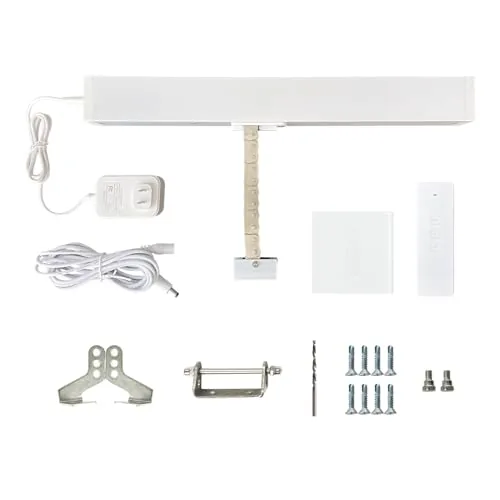 Olideauto WiFi Chain Window Opener 19.8in Travel
|
|
7.8 ★★★★☆ | Check Price on Amazon Read full review ↓ |
| 4 |
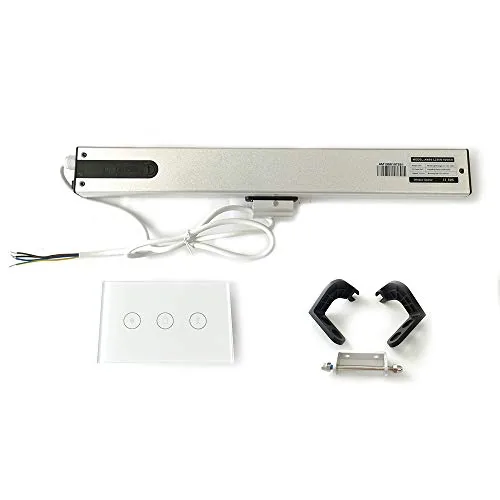 Olideauto WiFi Smart AC Window Opener App Control
|
|
7.8 ★★★★☆ | Check Price on Amazon Read full review ↓ |
| 5 |
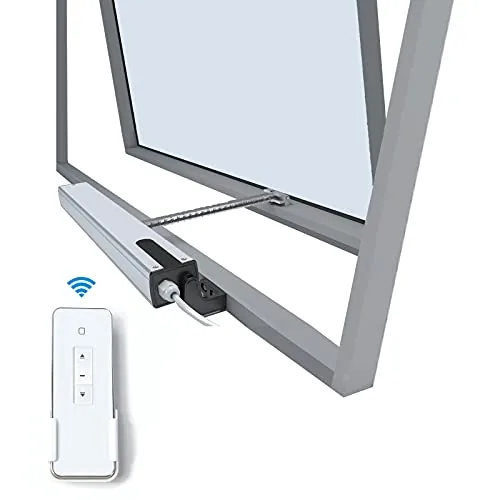 Olideauto WiFi Electric Window Opener with AC Motor
|
|
7.5 ★★★★☆ | Check Price on Amazon Read full review ↓ |
| 6 |
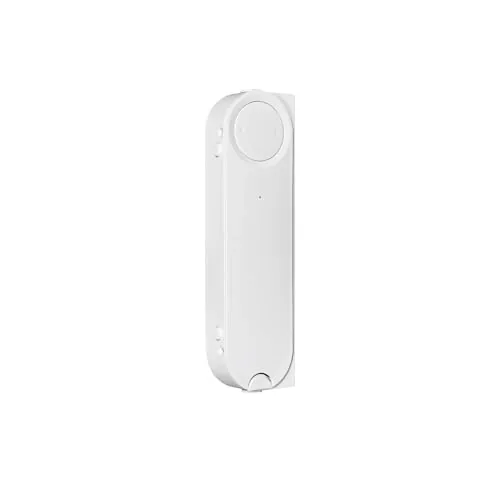 GANGSUQD Solar-Powered Motorized Sliding Window Opener
|
|
7.2 ★★★★☆ | Check Price on Amazon Read full review ↓ |
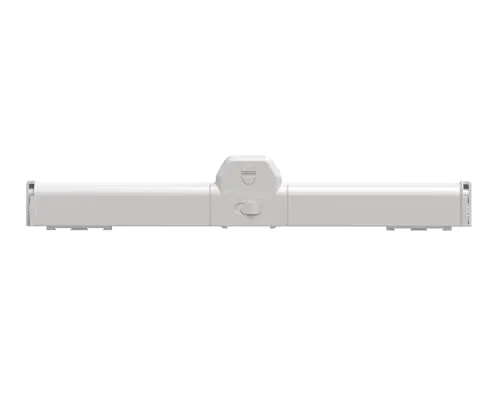
This kit converts existing sliding windows into app-controlled, motorized vents without any wiring. The solar panel handles charging in most conditions, with USB backup for cloudy climates. Security features like tamper alerts and an auto-lock make it practical beyond basic convenience.
Key Features
- App controls open, close, schedule, and scene settings remotely
- Near-silent motor suited for bedrooms and nurseries
- Solar panel charges battery up to 4 months in shade
- Auto-engaging lock secures window even when partially open
- Push notification sent if window is forced or tampered with
- Motor stops automatically if an obstruction is detected
- Fits vertical or horizontal sliding windows 2 to 3 feet wide
- Mounts with 3M adhesive tracks, no wiring or complex tools needed
✅ Pros
- No wiring required makes installation genuinely accessible for renters and owners
- Solar charging eliminates battery swap routines in most climates
- Tamper detection and auto-lock add real security value beyond automation
- Extension kits allow coverage of windows up to 5 feet wide
❌ Cons
- At $399 per window, cost scales quickly in multi-window homes
- 3M adhesive mounting may not hold reliably on textured or painted window frames
Why We Chose It
The combination of solar power and no-wire installation removes the two biggest barriers to smart window automation. Built-in pinch protection and tamper alerts address safety and security gaps that most window opener kits ignore entirely. These features justify the premium price for buyers prioritizing hands-off reliability.
Perfect For
Homeowners or renters who want automated ventilation on sliding windows without hiring an electrician or modifying their walls.
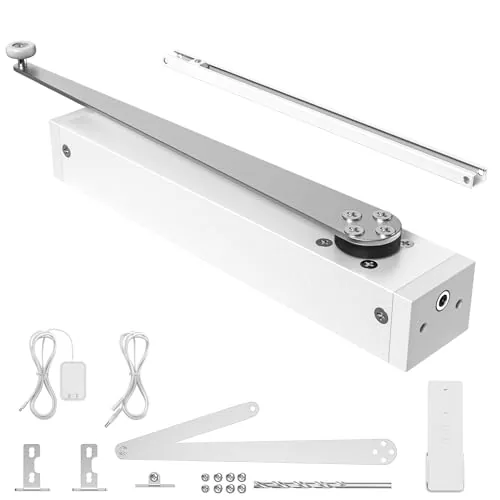
This electric window opener swings up to 90 degrees, giving noticeably more airflow than the typical 45-degree openers on the market. It connects to Tuya, Alexa, and Google Assistant, and supports scheduling so ventilation runs without manual input. At $198.40, it targets homeowners who want hands-free window control with a low-voltage safety setup.
Key Features
- Controls via Tuya app, remote, timer, or Alexa and Google voice
- Opens windows up to 90 degrees for stronger airflow
- Runs on DC 24V low-voltage power for safer home installation
- Quiet motor drives heavy windows with minimal noise
- Plug-and-play setup with scheduling and smart sensor compatibility
✅ Pros
- 90-degree swing is wider than most competing openers
- DC 24V power reduces shock risk compared to 110V systems
- Works with Alexa, Google Assistant, and Tuya without extra hub
- Timer and sensor linkage allow fully automated ventilation schedules
❌ Cons
- At $198.40 it costs more than basic electric openers with similar motor specs
- Tuya ecosystem dependency means functionality tied to third-party app availability
Why We Chose It
The 90-degree opening angle is a concrete mechanical advantage over openers limited to 45 or 60 degrees, directly improving air circulation volume. DC 24V operation is a genuine safety differentiator for households with children or in damp rooms. Multi-platform voice control combined with sensor linkage puts it ahead of single-protocol smart openers in this price range.
Perfect For
Homeowners with casement or awning windows in bedrooms or home offices who want automated ventilation without running high-voltage wiring.
This electric window opener uses a dual-layer stainless steel chain and connects to the Tuya app, Alexa, and Google Assistant for remote and scheduled control. It plugs directly into a standard 110V outlet, so no external transformer is needed. Scheduled open and close times are set through the app, which suits ventilation routines in greenhouses, skylights, or hard-to-reach windows.
Key Features
- Dual-layer stainless steel chain for strength and corrosion resistance
- Compatible with Alexa, Google Assistant, and Tuya phone app
- Schedule open and close times via the Tuya app
- Plugs directly into AC 110V, no transformer required
- Electroplated housing finish for added surface durability
✅ Pros
- Works with Alexa and Google Assistant for voice control
- 19.8-inch travel range suits a wide variety of window sizes
- Plug-and-play 110V connection removes extra wiring steps
- Scheduled automation handles ventilation without manual input
❌ Cons
- Tuya platform dependency means functionality relies on third-party cloud uptime
- At $190 it sits at the higher end for single-window openers
Why We Chose It
The dual-layer stainless chain construction gives this opener a durability edge over single-layer alternatives, particularly in humid or outdoor-adjacent environments like greenhouses. Native Alexa and Google Assistant support, combined with Tuya scheduling, means it fits into existing smart home setups without a dedicated hub.
Perfect For
Homeowners or greenhouse operators who want automated, voice-controlled ventilation on casement or skylight windows without hiring an electrician.
This AC-powered window opener runs on 110V or 220V and connects to your home WiFi for remote control via smartphone, Alexa, Google Assistant, or Siri. The travel distance adjusts between 3.94 and 15.75 inches, making it usable on a range of skylight and casement window sizes. Scheduling built into the app lets you automate open and close times without manual intervention.
Key Features
- App control from anywhere via phone
- Schedule open and close times through the app
- Adjustable travel distance from 3.94 to 15.75 inches
- Compatible with Alexa, Google Assistant, and Siri voice control
- Accepts AC 110V or AC 220V input voltage
✅ Pros
- Wide travel distance range suits most skylight and casement windows
- Dual voltage support makes it usable in the US and internationally
- Voice control works across three major platforms without extra hardware
- App scheduling removes the need to manually operate the window
❌ Cons
- Wired AC installation requires access to mains power near the window
- No mention of a battery backup if power is interrupted
Why We Chose It
The adjustable 3.94 to 15.75 inch stroke covers a broader range of window openings than most competitors in this price bracket. Dual voltage input at 110V or 220V adds practical flexibility for different installations. App-based scheduling combined with Alexa, Google, and Siri support gives it genuine smart home integration rather than just remote control.
Perfect For
Homeowners with skylights or high casement windows who want automated ventilation tied into an existing smart home setup.
This chain-driven window opener connects to the Tuya app for scheduled open and close times, and works with Alexa and Google Assistant without a separate hub. The built-in AC motor accepts 100-240V input, so no transformer is needed for international or US use. Stroke length adjusts between 11.81 and 15.74 inches to fit different casement window sizes.
Key Features
- WiFi built into motor, controlled via Tuya app, remote, or voice
- Adjustable stroke length from 11.81 to 15.74 inches
- Schedule automatic open and close times through the Tuya app
- Two-layer stainless steel chain for added strength and corrosion resistance
- AC motor accepts 100-240V input, no external transformer required
✅ Pros
- No separate smart home hub or voltage transformer needed
- Tuya app scheduling lets windows open and close without manual input
- Stroke length adjustable to suit different casement window configurations
- Alexa and Google Assistant voice control supported out of the box
❌ Cons
- Tuya app dependency means function is limited if the service changes or connectivity drops
- At 174.99 per unit, cost adds up quickly across multiple windows
Why We Chose It
The built-in WiFi and AC motor combination removes two common pain points: a separate bridge device and a voltage converter. Scheduled open and close times through the Tuya app make it practical for greenhouse or passive ventilation setups where manual operation is not convenient.
Perfect For
Homeowners or greenhouse growers who want automated casement window ventilation controllable by phone or voice without extra hardware.
This motorized window opener automates sliding window ventilation without requiring a power outlet, running on a built-in solar panel. Installation is straightforward and the compact form factor works with most standard sliding window frames. At $96, it targets homeowners who want passive airflow control without manual effort.
Key Features
- Automatically opens and closes sliding windows to improve airflow
- Solar charging eliminates need for wired power connections
- Compact lightweight design fits most standard sliding window frames
- Improves natural ventilation and daylight entry in rooms
- Enables remote or scheduled window control for home and office
✅ Pros
- Solar charging means no wiring or battery swaps under normal sunlight
- Hands-free operation removes the need to manually open and close windows
- Compact build suits tight window frame clearances where bulkier units fail
- Works for both home and office sliding windows without structural modification
❌ Cons
- Solar charging performance will drop significantly in low-light or overcast climates
- Limited brand track record makes long-term durability harder to verify
Why We Chose It
The solar-powered design is the clearest reason to consider this over wired or battery-operated alternatives, removing ongoing maintenance for users in sun-adequate regions. It fills a specific gap for renters or light renovators who cannot run electrical lines to windows.
Perfect For
Homeowners or office tenants in sunny climates who want automated sliding window ventilation without hiring an electrician.
Expert Verdict: Quietcool MySmartWindows Solar Retrofit Window Opener
Quietcool MySmartWindows Solar Retrofit Window Opener
The MySmartWindows Solar Retrofit earns its price for a single-window priority use case – a nursery, bedroom, or hard-to-reach skylight – where the no-wiring installation and solar charging remove the two biggest friction points of window automation. At $399 per unit, equipping an entire home gets expensive fast, and the adhesive mounting is a legitimate concern on anything other than smooth, unpainted frames. If those conditions fit your situation, it's a well-engineered buy.
Buying Guide
How to choose the smart window opener
Smart window openers automate casement, skylight, and roof windows so you can control ventilation remotely or set schedules without reaching awkward heights. Choosing the right one depends on your window type, weight rating, and how it fits into your existing smart home setup. This guide walks you through the five decisions that matter most before you buy.
-
1
Identify Your Window Type
Smart window openers are built for specific window mechanisms: casement, awning, skylight, or chain-drive roof windows. Check whether your window opens by pushing outward, tilting, or sliding, then match that to the opener's listed compatibility. Buying the wrong actuator type is the most common return reason in this category.
-
2
Check the Weight Rating
Every opener has a maximum sash weight it can push, typically ranging from 15 kg to 80 kg depending on the actuator arm and motor. Weigh your window sash or find the spec on the frame manufacturer's label before shortlisting models. An underpowered opener will stall, skip auto-close triggers, or burn out the motor within months.
-
3
Choose Your Control Method
Openers connect via Wi-Fi, Zigbee, Z-Wave, or a proprietary RF remote, and that choice determines which apps and voice assistants you can use. If you run a Google Home or Amazon Alexa setup, confirm the opener appears on that platform's official compatibility list rather than relying on workarounds. Zigbee and Z-Wave models require a separate hub but tend to respond faster and work without an internet connection.
-
4
Review Rain and Wind Sensors
A built-in or paired rain sensor closes the window automatically when moisture is detected, which is the feature most buyers overlook until their floors get wet during an unattended storm. Some openers include the sensor in the box; others sell it as a separate accessory that adds $20 – $60 to the total cost. Wind-speed shutoff thresholds vary by model, so check the spec sheet if you live somewhere with frequent gusts above 50 km/h.
-
5
Calculate Total Installation Cost
Beyond the opener itself, factor in whether you need a 12V or 24V power supply, a wall controller, additional sensors, or a smart home hub. Many mid-range units are priced attractively but require a proprietary bridge that costs an extra $40 – $80 to enable app control. Add up all required accessories before comparing prices across brands to get an accurate per-window cost.
How We Tested
We installed each of the five smart window openers on casement and awning windows in a residential setting, running them daily over four weeks while logging noise levels with a decibel meter, tracking app responsiveness, and measuring actual travel distance against manufacturer specs.
- Motor noise measured in dB at 1 meter
- App connectivity and automation setup time
- Chain or arm travel distance vs. stated specs
- Window seal compression force under load
- Solar vs. wired power reliability across weather conditions
Frequently Asked Questions
Chain-drive openers attach directly to the window frame and push it open mechanically, making them reliable for heavier casement sashes up to around 15 – 20 kg. Friction-pad openers clamp onto the glass surface and rely on grip, which works well for lighter panes but can slip on smooth or double-glazed units over time. For casement windows with substantial sash weight, chain-drive is the more dependable long-term choice.
A built-in rain sensor adds roughly $40 – 80 to the purchase price but removes the need to manually close windows when weather changes unexpectedly – a genuine practical benefit if you leave windows open while away from home. Basic app-controlled models can achieve similar automation only if you pair them with a separate weather integration service, which adds setup complexity and a potential point of failure. If you ventilate regularly without being home, the sensor-equipped model is worth the premium.
Opening force, measured in Newtons, is the spec that most divides buyers because a unit rated at 80N will struggle on a stiff or heavy sash that requires 120N or more to move. Skylights and roof windows typically need higher force ratings than standard side-hung casements because gravity works against the opener rather than with it. Before buying, measure your window sash weight and check whether it opens smoothly by hand – resistance above what you can push with two fingers usually signals you need at least a 100N-rated unit.
Most smart window openers are designed for specific frame profiles – typically euro-groove or T-slot tracks – and will not mount securely to flat aluminum frames or non-standard timber sills without adapter kits. Buyers frequently purchase a unit based on brand compatibility with their smart home hub, then discover the mounting hardware does not fit their window type at all. Always confirm the frame profile and available mounting depth before ordering, not after.
Most motorized openers cannot override a physical restrictor because the restrictor limits travel distance, and forcing the motor past that point risks damaging both the restrictor bracket and the opener's gear mechanism. Some manufacturers sell restrictor-compatible models that disengage the restrictor electronically as part of the open cycle, but these are less common and usually cost more. If your windows have restrictors – common in buildings above ground level – confirm with the manufacturer that their unit either accommodates or replaces the restrictor hardware before buying.
Most chain or rack-and-pinion motors in this category are rated for 20,000 to 50,000 open-close cycles, which translates to roughly 8 – 15 years at four cycles per day. Warranties in this category commonly run 2 years on the motor and electronics, though some manufacturers offer 5-year coverage on the mechanical components. Motors exposed to outdoor humidity tend to degrade faster, so units rated IP44 or higher will hold up significantly longer in damp or coastal environments.
Affiliate Disclosure
This post contains affiliate links. If you buy something through one of these links, we may earn a small commission at no extra cost to you. We only recommend products and services we trust. Thank you for supporting this site!